
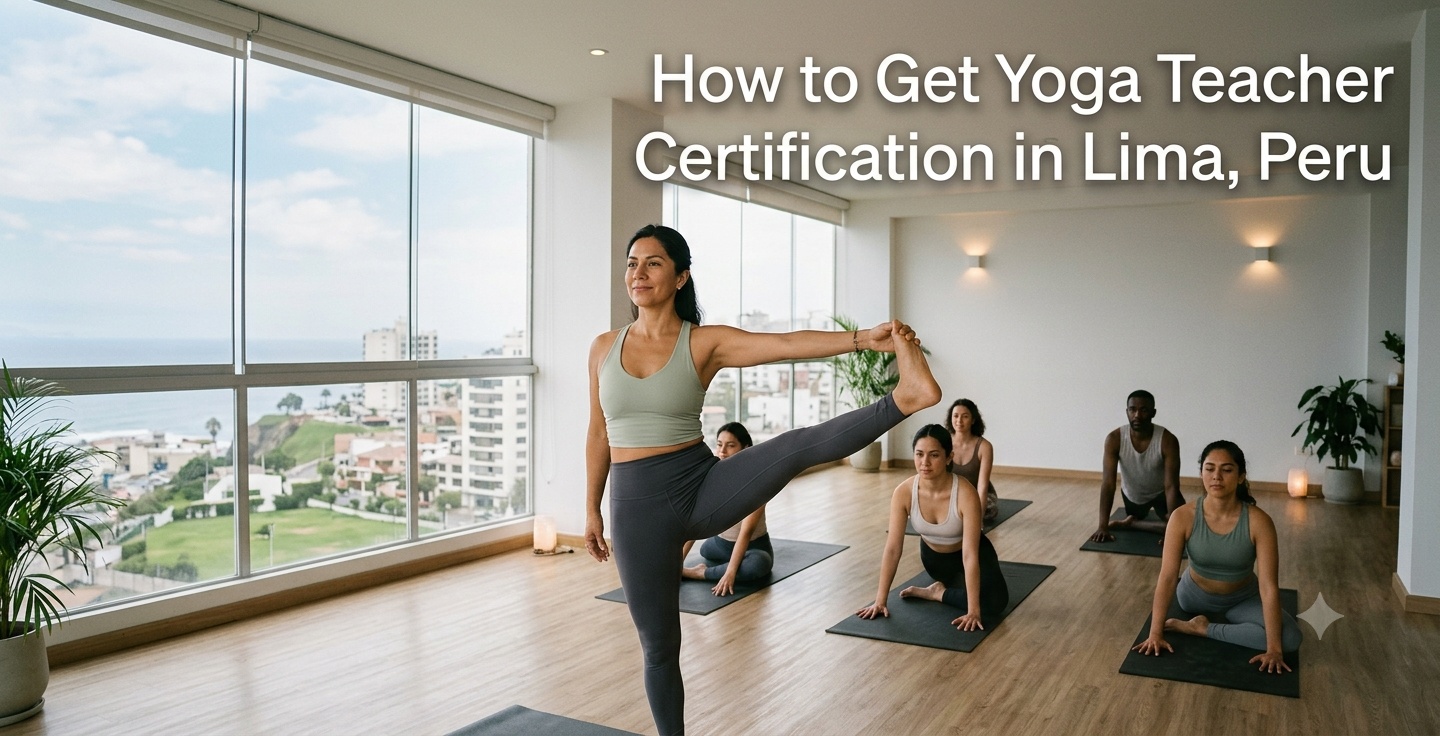
If you are planning to become a professional yoga teacher in Peru, learning How to Get Yoga Teacher Certification in Lima, Peru can help you understand the training, practice, assessment, and certification steps involved. Lima offers a growing wellness environment where students can explore yoga teaching alongside fitness, mindfulness, meditation, and holistic practices. Choosing the right training programme is an important part of building a strong foundation for teaching yoga safely and confidently.
Understanding How to Get Yoga Teacher Certification in Lima, Peru also involves looking beyond the certificate itself. A suitable yoga teacher training programme should provide structured learning in yoga philosophy, asana practice, anatomy, teaching methodology, breathing techniques, meditation, and class planning. Students should also understand what type of certification they will receive and how it may support their future teaching goals.
What Is the Process for Getting Yoga Teacher Certification in Lima, Peru?
The process of learning How to Get Yoga Teacher Certification in Lima, Peru generally begins with researching suitable yoga teacher training programmes in Lima. Students can compare course duration, curriculum, teaching style, practical requirements, assessment methods, and certification details before enrolling. It is also useful to check whether the programme is designed for beginners or expects previous experience with yoga practice.
Once enrolled, students normally complete theoretical and practical training before receiving their certificate. The learning process may include regular asana practice, anatomy lessons, yoga philosophy, meditation, pranayama, teaching methodology, sequencing, and supervised teaching practice. Understanding these stages makes How to Get Yoga Teacher Certification in Lima, Peru easier because students can prepare themselves for the academic and practical expectations before starting the programme.
Key Steps to Follow
- Research Yoga Teacher Training Schools: Compare yoga schools and training providers in Lima according to their curriculum, faculty, duration, teaching approach, practical sessions, and certification structure.
- Check Entry Requirements: Check age requirements, minimum practice experience, language requirements, attendance expectations, and any documents needed before registration.
- Choose a Suitable Training Programme: Select a programme that matches your professional goals, available time, preferred yoga style, and learning needs.
- Complete the Required Training: Attend classes and complete the required modules covering asanas, anatomy, philosophy, pranayama, meditation, teaching methods, and sequencing.
- Complete Teaching Practice and Assessment: Assessments may evaluate your understanding of yoga concepts, practical technique, teaching communication, class planning, and ability to guide students safely.
- Receive Your Certification: After meeting the programme's attendance, coursework, practical, and assessment requirements, you may receive a yoga teacher training certificate.
What Are the Requirements for Yoga Teacher Certification in Lima, Peru?
When researching How to Get Yoga Teacher Certification in Lima, Peru, students should understand that requirements can differ between training providers. There is not necessarily one identical admission process followed by every yoga school in Lima. Individual programmes may establish their own requirements relating to previous yoga experience, attendance, assignments, examinations, practical teaching, and completion of course modules.
A beginner-focused yoga teacher training course may not require extensive professional experience, but students should be prepared for regular physical practice and academic study. Those researching How to Get Yoga Teacher Certification in Lima, Peru should also consider whether they are comfortable studying subjects such as anatomy, yoga philosophy, meditation, pranayama, teaching methodology, and class sequencing.
Requirements You May Need to Consider
- Basic Yoga Experience: Some schools help students understand basic postures, movement patterns, breathing techniques, and the discipline required for consistent practice.
- Attendance: Yoga teacher training programmes generally require students to attend a specified number of classes or training hours. Missing important practical sessions can affect your ability to complete the course successfully.
- Practical Participation: Students are normally expected to participate actively in asana practice, breathing exercises, meditation, demonstrations, and teaching activities.
- Coursework and Assignments: Depending on the programme, students may need to complete written assignments, reflective work, lesson plans, anatomy tasks, or other coursework.
- Teaching Assessment: The assessment may consider sequencing, verbal instructions, demonstration, observation, timing, and student safety.
- Final Certification Requirements: Understanding these conditions in advance can help you avoid confusion about attendance, examinations, assignments, practical assessments, or additional requirements.
Take the Next Step in Your Yoga Journey with YAI South America
Whether you are a yoga teacher looking for professional certification or a yoga school seeking certification, YAI provides opportunities to support your professional journey and recognition. Choose the relevant application below to get started.
School: https://form.jotform.com/250402319636452
Teacher: https://form.jotform.com/250700797178464
How Long Does It Take to Complete Yoga Teacher Training in Lima?
The duration is an important consideration when learning How to Get Yoga Teacher Certification in Lima, Peru. Yoga teacher training programmes can vary significantly in structure and schedule. Some are intensive programmes completed over several weeks, while others are organised over several months through weekend or part-time sessions.
Students researching How to Get Yoga Teacher Certification in Lima, Peru should avoid choosing a course based only on its shortest completion time. A programme should provide enough opportunity to develop practical skills, study theoretical subjects, practise teaching, receive feedback, and understand how to create safe and effective yoga classes.
Factors That Affect Training Duration
- Course Format: Intensive programmes can require students to attend classes on multiple days each week, while part-time programmes may spread the same learning across several months.
- Training Hours: The number of required training hours can influence the overall length of a programme. Compare the total hours and curriculum rather than looking only at the number of weeks advertised by a school.
- Practice Requirements: Some programmes include additional personal practice or teaching practice outside scheduled classroom hours. These activities can increase the amount of time students need to dedicate to their training.
- Assessment Schedule: Assignments, practical examinations, teaching assessments, and final projects may be completed at different stages.
- Learning Pace: Students with previous yoga experience may find certain practical concepts easier to understand, while beginners may need more time to develop confidence.
- Programme Structure: A comprehensive programme may cover yoga anatomy, philosophy, pranayama, meditation, teaching methodology, sequencing, ethics, and supervised practice.
What Do You Learn During Yoga Teacher Training in Lima?
A major part of understanding How to Get Yoga Teacher Certification in Lima, Peru is knowing what you will actually study. Yoga teacher training is generally broader than learning how to perform postures. A well-rounded programme may introduce students to the physical, philosophical, practical, and teaching dimensions of yoga.
Students interested in How to Get Yoga Teacher Certification in Lima, Peru, should look for a curriculum that combines personal practice with teaching preparation. Learning how to demonstrate an asana is different from learning how to observe students, provide clear instructions, adapt practices, create sequences, and maintain a safe classroom environment.
Core Areas Commonly Covered
- Asana Practice: Students learn yoga postures, alignment principles, transitions, modifications, and practical considerations. The goal is to develop a clear understanding of how postures can be practised and taught.
- Yoga Anatomy: Anatomy lessons introduce concepts related to muscles, joints, movement, posture, and physical safety. This knowledge can help teachers understand how different bodies may respond to particular movements.
- Yoga Philosophy: Training may introduce traditional yoga philosophy, ethical principles, meditation concepts, and important historical ideas. These subjects help students understand yoga beyond its physical practice.
- Pranayama and Breathing: Students may learn different breathing practices and how to introduce them appropriately during yoga sessions. Training can also cover preparation, observation, and responsible instruction.
- Teaching Methodology: Students learn how to structure classes, give verbal cues, demonstrate movements, manage transitions, and communicate with different types of learners.
- Sequencing and Class Planning: Students practise may learn how to organise warm-ups, main postures, cool-downs, relaxation, and other elements into a balanced session.
How Can Beginners Get Yoga Teacher Certification in Lima, Peru?
Beginners researching How to Get Yoga Teacher Certification in Lima, Peru, should first identify programmes that clearly state they accept students without professional teaching experience. A beginner does not necessarily need to have taught yoga before, but should be willing to practise consistently and study the theoretical aspects of yoga. The ability to learn, observe, practise, and accept feedback is particularly important during teacher training.
Understanding How to Get Yoga Teacher Certification in Lima, Peru as a beginner also means preparing mentally for a combination of physical practice and academic learning. Teacher training can involve early mornings, extended practice sessions, written assignments, group discussions, demonstrations, and teaching exercises. Beginners should choose a course where the learning environment and pace are appropriate for their current level.
Helpful Preparation for Beginners
- Build a Consistent Yoga Practice: Before beginning formal training, practise basic yoga postures regularly if possible. Consistency can make it easier to adapt to the physical demands of teacher training.
- Learn Basic Yoga Terminology: Become familiar with commonly used yoga terms, posture names, breathing concepts, and basic class instructions.
- Improve Body Awareness: Pay attention to alignment, breathing, balance, movement, and physical sensations during practice. Good body awareness can later help you observe and support your students.
- Study Basic Anatomy: You do not need to become an anatomy specialist before starting, but basic knowledge can support your learning.
- Practise Communication: A yoga teacher needs to explain movements clearly and calmly. Beginners can practise giving simple instructions while demonstrating basic postures or explaining a short sequence.
- Choose a Supportive Programme: Look for a course that provides structured guidance, feedback, practical teaching opportunities, and clear explanations.
What Certification Can You Earn After Yoga Teacher Training in Lima?
Anyone researching How to Get Yoga Teacher Certification in Lima, Peru should carefully understand the type of certificate offered by the training provider. Yoga certifications can differ according to the programme, training hours, curriculum, issuing organisation, and registration or recognition arrangements. The name of a certificate alone does not necessarily explain its professional scope.
When considering How to Get Yoga Teacher Certification in Lima, Peru, ask the school whether the programme follows a particular training framework and what the certificate confirms. Students who plan to teach internationally should also research the requirements of the country, employer, studio, or organisation where they intend to work because certification expectations can vary.
Certification Considerations
- Training Level: Courses may be offered at different levels depending on their duration, curriculum, and intended learner. Review the exact level and scope of the programme before enrolling.
- Certificate Issuer: Check which school, organisation, or training body issues the certificate. Understanding the issuing organisation can help you explain your qualification to future employers or students.
- Training Hours: Ask how many hours the programme includes and how those hours are divided between practical training, theory, teaching practice, and independent study.
- Curriculum Coverage: Review whether the certification programme covers essential areas such as asanas, anatomy, philosophy, pranayama, meditation, teaching methodology, sequencing, and ethics.
- Assessment Process: Find out how students are assessed before receiving the certificate. A transparent assessment structure gives you a clearer understanding of what you must successfully complete.
- Future Recognition: International teaching may involve additional requirements beyond completing a yoga teacher training course.
What Career Opportunities Are Available After Yoga Teacher Training in Lima?
Understanding How to Get Yoga Teacher Certification in Lima, Peru is often the first step for people who want to explore professional opportunities in yoga. After completing suitable training, teachers may consider working with yoga studios, wellness centres, fitness facilities, retreat programmes, community organisations, or private clients, depending on local requirements and their experience.
For people researching How to Get Yoga Teacher Certification in Lima, Peru, career development does not necessarily end when the certificate is issued. New teachers can continue developing their skills through regular personal practice, additional workshops, specialised training, supervised teaching, and feedback from experienced instructors. Building teaching experience gradually can help instructors become more comfortable working with different student needs.
Possible Professional Directions
- Yoga Studio Teaching: Certified teachers may explore opportunities to teach group classes at yoga studios. Beginners can initially focus on foundational classes while developing their teaching confidence and experience.
- Private Yoga Sessions: Private teaching requires careful communication and the ability to adapt sessions to individual goals and experience.
- Wellness and Fitness Centres: Yoga teachers can introduce yoga to students who are interested in flexibility, mobility, relaxation, or general wellbeing.
- Corporate Yoga: Some organisations arrange yoga or mindfulness sessions for employees. Teachers interested in this area may need to develop concise, accessible sessions that can work within workplace schedules.
- Yoga Retreats and Workshops: Experienced teachers may eventually participate in workshops, retreats, or specialised yoga programmes. These opportunities often require additional teaching experience and a clear area of expertise.
- Online Yoga Teaching: Online classes can allow instructors to reach students beyond their immediate location. Teachers should develop appropriate communication, camera positioning, class planning.
How Do You Choose a Yoga Teacher Training School in Lima?
Choosing the right school is one of the most important parts of learning How to Get Yoga Teacher Certification in Lima, Peru. Instead of selecting a programme only because of its location or advertised certificate, compare the curriculum, faculty, training hours, practical teaching opportunities, class format, assessment process, and student support. A transparent school should be able to explain what students will study and what they need to complete.
People researching How to Get Yoga Teacher Certification in Lima, Peru should also consider their long-term teaching goals. If you want to teach beginners, private clients, specialised groups, or international students, your training needs may differ. Taking time to compare programmes can help you choose a course that fits your experience, schedule, learning preferences, and professional plans.
Factors to Compare Before Enrolment
- Curriculum: Make sure the programme provides sufficient coverage of practical yoga, anatomy, philosophy, teaching methodology, breathing, meditation, and sequencing.
- Faculty Experience: Research the instructors and their teaching backgrounds. Experienced educators can provide useful demonstrations, practical feedback, and guidance throughout the training process.
- Training Schedule: Check whether the programme is full-time, part-time, intensive, weekend-based, or otherwise structured. Choose a schedule that allows you to attend consistently and complete all required coursework.
- Practical Teaching: Ask how much supervised teaching practice is included. Opportunities to teach, receive feedback, and improve your delivery can be especially valuable for new instructors.
- Certification Details: Request clear information about the certificate, issuing organisation, training hours, assessment requirements, and any registration or recognition associated with the programme.
- Student Support: Consider whether the school provides guidance outside regular classes, learning materials, feedback, mentoring, or career-related information.
Get your internationally recognized yoga certification with authentic yoga standards in South America.
Conclusion
Understanding How to Get Yoga Teacher Certification in Lima, Peru, can help aspiring yoga teachers plan their training with greater clarity and confidence. From selecting a suitable yoga teacher training programme to completing practical sessions, studying yoga philosophy and anatomy, and meeting certification requirements, each stage contributes to developing the skills needed for responsible yoga teaching. Choosing a programme that matches your experience, schedule, and professional goals is an important part of this journey.
For those exploring How to Get Yoga Teacher Certification in Lima, Peru, the certification can provide a foundation for exploring teaching opportunities in studios, wellness centres, private sessions, fitness environments, retreats, and online classes. Before enrolling, carefully review the curriculum, training hours, instructors, assessment process, and certificate details. With consistent practice, continued learning, and appropriate training, aspiring instructors can build a strong foundation for their yoga teaching journey in Lima and beyond.
Explore Our Recent Blogs
Frequently Asked Questions
1. Can beginners get yoga teacher certification in Lima, Peru?
Yes, some yoga teacher training programmes are designed for beginners and may accept students without previous teaching experience. However, admission requirements differ between schools, so students should confirm the expected level of yoga practice before enrolling. A consistent willingness to practise and study is important.
2. How long does yoga teacher training in Lima usually take?
The duration depends on the programme format, training hours, schedule, curriculum, and assessment requirements. Intensive courses may be completed more quickly, while part-time programmes can extend over several months. Students should compare total training hours rather than looking only at the advertised number of weeks.
3. What subjects are included in yoga teacher training?
A comprehensive programme may include asana practice, anatomy, yoga philosophy, pranayama, meditation, teaching methodology, sequencing, class planning, and practical teaching. The exact curriculum varies between providers. Students should review the syllabus carefully before choosing a programme.
4. Is a yoga certificate from Lima valid for teaching internationally?
International acceptance can depend on the certificate, issuing organisation, employer, studio, and destination country's expectations. Completing a training programme does not automatically guarantee that every organisation or jurisdiction will recognise it in the same way. Students planning to teach abroad should check the specific requirements of their intended destination.
5. Can I teach yoga after completing a yoga teacher training course?
A completed teacher training programme can provide the educational foundation needed to begin exploring teaching opportunities, subject to applicable local and organisational requirements. New teachers may benefit from starting with beginner-friendly classes or supervised teaching while building experience. Continuing education and regular personal practice can also support professional development.
6. What should I check before enrolling in a Lima yoga teacher training programme?
Check the school's curriculum, training hours, instructors, schedule, practical teaching requirements, assessment process, certificate details, and student support. You should also understand whether the programme matches your intended teaching level and career goals. Asking these questions before enrolment can help you make a more informed decision.