
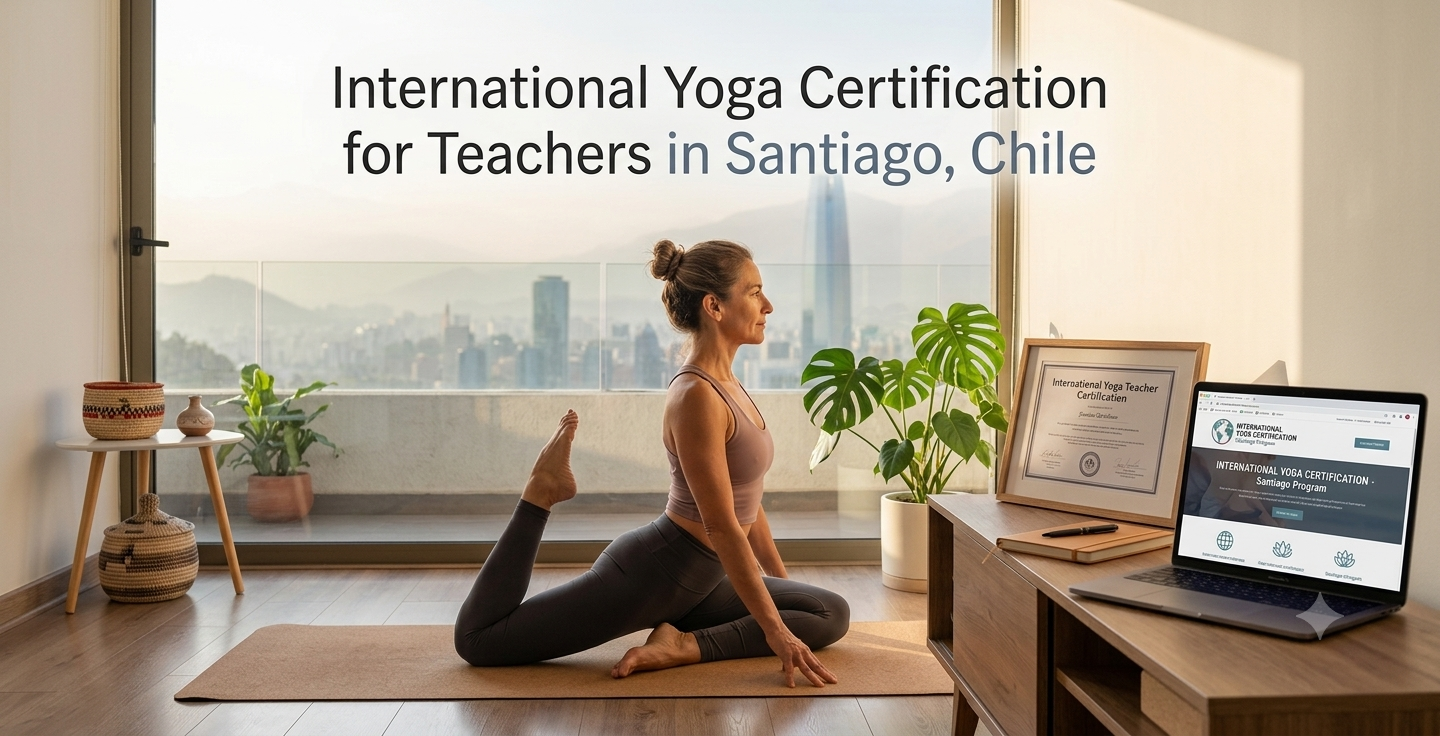
Yoga has become an increasingly important part of wellness, fitness, mindfulness, and holistic education in Chile. For teachers in Santiago, professional certification can provide a structured way to demonstrate their education, teaching experience, ethical standards, and commitment to continuing development. International Yoga Certification for Teachers in Santiago, Chile can help professionals demonstrate their qualifications beyond a local training environment.
It is especially useful for teachers working with studios, wellness organisations, retreats, students, or international communities. An international certification is more than a certificate issued after completing a course. Depending on the certifying organisation, the process may consider yoga education, practical teaching experience, professional conduct, continuing education, and supporting documentation.
Teachers should therefore evaluate certification programmes carefully and select an organisation whose standards, documentation process, and professional expectations align with their long-term goals.
What Is International Yoga Certification for Teachers in Santiago, Chile?
International Yoga Certification for Teachers in Santiago, Chile is a professional recognition pathway that helps yoga teachers demonstrate their education, teaching experience, and professional knowledge. It provides a structured way to present qualifications according to defined certification standards. This can strengthen a teacher’s professional profile in local and international settings.
For teachers in Santiago, certification can be useful when working with yoga studios, wellness organisations, retreats, private students, or international communities. It allows professionals to document their training and practical teaching experience more clearly. A recognised credential can also help communicate professional competence to potential clients and organisations.
International yoga certification is different from simply completing a yoga course or teacher training programme. Certification focuses on recognising whether a teacher meets specific professional requirements and standards. Depending on the organisation, applicants may need to provide training certificates, teaching experience, continuing education records, and other supporting documents.
How Does International Yoga Certification Work for Teachers in Chile?
International yoga certification for teachers in Chile generally begins with an application and evaluation of the teacher’s educational background, teaching experience, and professional qualifications. Applicants may need to submit training certificates, teaching records, continuing education details, and other supporting documents. The certifying organisation reviews these materials to determine whether the applicant meets its established certification standards.
For experienced teachers, the process can provide formal recognition of knowledge and skills developed through years of yoga practice and teaching. Requirements can vary between certification organisations, so applicants should carefully review eligibility criteria, documentation requirements, professional ethics, and renewal policies. A transparent certification process helps teachers understand exactly what their credential represents.
Key Steps in the International Yoga Certification Process
-
Check Eligibility: Review requirements for education, teaching experience, and professional background. Ensure you meet the criteria before applying.
-
Prepare Documents: Collect training certificates, teaching records, and continuing education documents. Keep all supporting materials organised.
-
Submit Application: Complete the application with accurate professional and educational information. Attach all required documents as instructed.
-
Professional Assessment: The organisation reviews your qualifications and teaching experience. This determines whether you meet the certification standards.
-
Receive Certification: Successful applicants receive certification after meeting the required criteria. The credential formally supports their professional profile.
-
Maintain Standards: Continue professional education and follow ethical requirements. Ongoing development supports long-term teaching practice.
What Are the Requirements for Yoga Teacher Certification in Santiago?
Yoga teacher certification requirements in Santiago can vary depending on the certification organisation and the level of certification being pursued. Applicants may need to demonstrate relevant yoga education, teaching experience, professional knowledge, and continued learning. Proper documentation helps the organisation evaluate the applicant’s professional background and eligibility. Teachers should review the specific requirements carefully before starting the certification process.
Experienced teachers may be able to use their existing training and practical teaching experience as part of their application. They may also need to demonstrate knowledge of yoga philosophy, teaching methodology, anatomy, safety, and professional ethics. Continuing education can further strengthen a teacher’s professional profile. A complete and well-organised application can make the certification process more straightforward.
Key Requirements for Yoga Teacher Certification
-
Yoga Education: Provide evidence of recognised yoga teacher training or relevant educational programmes. This demonstrates a suitable foundation in yoga knowledge and teaching.
-
Teaching Experience: Document practical experience teaching yoga classes, workshops, private sessions, or retreats. This helps demonstrate real-world teaching competence.
-
Professional Knowledge: Demonstrate understanding of yoga philosophy, techniques, anatomy, safety, and teaching methodology. These areas support responsible and effective instruction.
-
Professional Ethics: Follow ethical principles and maintain respectful relationships with students and colleagues. Professional conduct is an important part of responsible yoga teaching.
-
Continuing Education: Participate in workshops, specialised courses, or other professional learning activities. Continued study helps teachers maintain and expand their knowledge.
-
Supporting Documents: Submit certificates, teaching records, professional details, and other requested evidence. Accurate documentation helps the organisation assess the application efficiently.
How Long Does International Yoga Certification Take in Santiago, Chile?
The time required for International Yoga Certification for Teachers in Santiago, Chile can vary depending on the certification organisation and the applicant’s professional background. Teachers who already have relevant training, teaching experience, and complete documentation may be able to proceed more efficiently. The overall timeframe also depends on the organisation’s application review and assessment process.
Preparing the required documents can influence how quickly an application is completed. Applicants may need to collect yoga training certificates, teaching records, continuing education documents, and other supporting information. Keeping these materials organised and submitting accurate details can help minimise delays during the certification process.
Teachers should also consider whether additional education or professional development is required before certification. Some applicants may already meet the requirements through their existing qualifications, while others may need to complete specific learning activities. Therefore, it is best to check the certification organisation’s current requirements and processing timeline before applying.
What Documents Are Needed for International Yoga Certification?
International yoga certification applications generally require documents that demonstrate a teacher’s education, professional experience, and ongoing development. The exact requirements can vary depending on the certification organisation and the certification level. Teachers should carefully review the application guidelines and prepare clear, accurate copies of all requested documents.
For experienced yoga teachers, maintaining an organised professional portfolio can make the certification process easier. Training certificates, teaching experience records, continuing education documents, and professional identification may all support an application. Providing complete and consistent information allows the certifying organisation to assess the applicant’s qualifications more effectively.
Common Documents Required for Yoga Certification
-
Training Certificates: Submit certificates from completed yoga teacher training programmes. These documents demonstrate your formal yoga education and preparation.
-
Teaching Experience: Provide records of yoga classes, workshops, private sessions, or retreats you have taught. This helps establish practical teaching experience.
-
Professional Profile: Include a current CV or professional biography describing your yoga education and career. It gives the organisation a clear overview of your background.
-
Continuing Education: Provide certificates from workshops, specialised courses, and professional development programmes. These demonstrate your commitment to ongoing learning.
-
Identification Documents: Submit valid identification when requested during the certification process. This helps verify the applicant’s identity and application details.
-
Additional Evidence: Provide references, teaching records, or other supporting materials if required. Always follow the specific documentation guidelines of the certifying organisation.
Is Online Yoga Certification Valid for Teachers in Santiago?
Online yoga certification can be a convenient option for teachers in Santiago who want flexible access to professional education and certification. However, its value depends on the standards, assessment process, and credibility of the certifying organisation. Teachers should verify whether the programme provides genuine professional certification rather than only a course completion certificate.
A reputable online certification pathway should clearly explain its eligibility requirements, curriculum, assessment methods, and documentation process. Teachers should also check whether practical teaching experience or other professional requirements are included in the certification standards. Understanding these details helps applicants determine whether the credential aligns with their professional goals.
Online certification can also support continuing education for experienced yoga teachers without requiring international travel. Courses in yoga philosophy, anatomy, meditation, teaching methodology, and specialised practices can complement existing qualifications. Before applying, teachers should confirm how the certification is recognised and whether it meets the expectations of the organisations or clients they intend to work with.
What Are the Benefits of International Yoga Certification for Teachers?
International yoga certification can help teachers present their education, experience, and professional development through a structured credential. It can strengthen a teacher’s professional profile when working with yoga studios, wellness organisations, retreats, private students, or international communities. Certification can also provide a clear framework for demonstrating commitment to professional and ethical standards.
For teachers in Santiago, international certification may support professional growth by encouraging continued education and responsible teaching practices. It can also make qualifications easier to communicate when working with people from different countries or professional environments. However, the value of certification depends on the standards, transparency, and credibility of the organisation providing it.
Key Benefits of International Yoga Certification
-
Professional Credibility: A recognised certification can strengthen a teacher’s professional profile. It provides documented evidence of education and professional development.
-
International Recognition: International certification can make qualifications easier to communicate across different countries.
-
Career Opportunities: A professional credential can support applications for teaching roles, workshops, retreats, and wellness programmes.
-
Student Confidence: Certification can demonstrate a commitment to structured education and professional standards.
-
Continued Learning: Many certification pathways encourage ongoing professional development and education.
-
Professional Growth: Certification can provide a framework for organising experience, qualifications, and achievements.
How Can Teachers Choose the Right International Yoga Certification Organisation?
Choosing the right international yoga certification organisation is important because the value of a credential depends on the standards and processes behind it. Teachers should compare eligibility requirements, documentation standards, assessment procedures, professional ethics, and continuing education expectations before applying. A transparent organisation should clearly explain what its certification represents and how it supports professional development.
Teachers in Santiago should also consider whether the certification aligns with their experience and long-term professional goals. An experienced teacher may prefer a certification pathway that recognises existing education and teaching experience rather than requiring unnecessary repetition of previous training. Reviewing the organisation’s policies, certification categories, application process, and ongoing responsibilities can help teachers make a well-informed decision.
Key Factors to Consider
-
Certification Standards: Review the organisation’s educational and professional requirements carefully. Clear standards indicate how applicants are evaluated for certification.
-
Eligibility Criteria: Check whether your training, teaching experience, and qualifications meet the requirements. This prevents unnecessary delays during the application process.
-
Documentation Process: Understand which certificates, records, and supporting documents are required. A transparent process makes it easier to prepare a complete application.
-
Professional Ethics: Look for clear expectations regarding responsible and ethical yoga teaching. Strong ethical standards support student wellbeing and professional conduct.
-
Continuing Education: Check whether the organisation encourages ongoing learning and professional development. This can help certified teachers maintain and expand their expertise.
-
Professional Relevance: Choose certification that supports your current experience and future goals. The credential should meaningfully strengthen your professional yoga profile.
Get your internationally recognized yoga certification with authentic yoga standards in South America.
Conclusion
International Yoga Certification for Teachers in Santiago, Chile can provide a structured way for experienced yoga professionals to document their education, teaching experience, professional ethics, and continuing development. For teachers in Santiago, the right certification should represent more than the completion of a course; it should reflect meaningful professional standards and transparent assessment.
Before applying, teachers should carefully review eligibility requirements, documentation, certification procedures, continuing education expectations, and professional responsibilities. They should also understand the distinction between a yoga school that provides training and a certification organisation that evaluates or recognises professional qualifications.
For teachers seeking to strengthen their professional profile in Chile and communicate their qualifications to wider international audiences, a well-structured certification pathway can be a valuable part of long-term career development. The most important consideration is choosing a certification framework that is transparent, professionally responsible, and aligned with the teacher's experience and future goals.
Explore Our Recent Blogs
-
YAI Certification for Yoga Professionals in Salvador, Brazil
-
Yoga Certification Opportunities for Experienced Teachers in Rio
Frequently Asked Questions
1. Is international yoga certification useful for teachers in Santiago, Chile?
Yes, international certification can help teachers present their education and professional experience through a structured credential. It may be particularly useful for teachers working with international students, studios, retreats, or wellness organisations. However, its professional value depends on the standards and credibility of the certifying organisation.
2. Can an experienced yoga teacher apply for certification without completing another full teacher training course?
Some certification pathways may allow experienced teachers to apply based on their existing education, teaching experience, and professional documentation. The exact eligibility requirements depend on the certifying organisation and certification category. Teachers should review the requirements before assuming that additional training is either necessary or unnecessary.
3. What should a yoga teacher include in a certification application?
Applicants should generally be prepared to provide relevant training records, teaching experience, continuing education information, and other supporting documents requested by the organisation. A clear professional biography and organised documentation can make the application easier to assess. Teachers should always provide accurate information and follow the specific application instructions.
4. Does international certification allow a teacher to work anywhere in the world?
International certification can provide a professional credential that is easier to communicate across different locations, but it does not automatically grant legal permission to work in every country. Employment, business registration, immigration, insurance, and local professional requirements can vary by jurisdiction. Teachers should check the rules applicable to the country or organisation where they intend to work.
5. Is online international yoga certification suitable for teachers in Chile?
Online certification can be convenient for teachers who need flexible professional development, particularly when the organisation has transparent standards and assessment procedures. Teachers should carefully distinguish between an online course certificate and a professional certification credential. Checking eligibility, documentation, assessment, and continuing education requirements can help applicants make an informed decision.
6. How can teachers maintain their certification after receiving it?
Maintenance requirements vary between certification organisations and may include continuing education, professional development, ethical compliance, or periodic renewal. Teachers should keep records of workshops, courses, teaching activities, and other relevant professional learning. Maintaining an organised professional portfolio can make future renewal or certification updates more straightforward.