
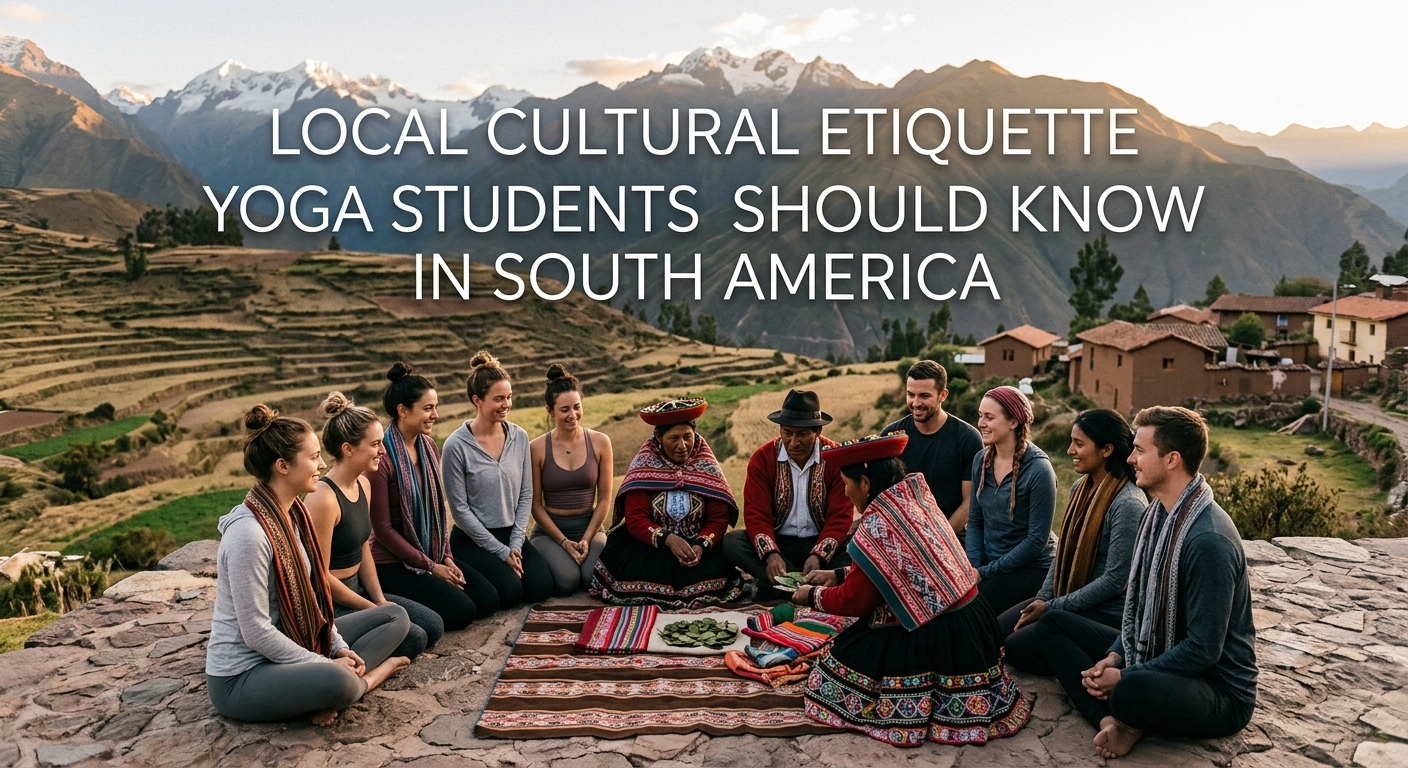
South America has ended up as one of the most famous locations for yoga teacher training because of its natural splendor, numerous cultures, and inviting agencies. Students journeying from precise worldwide places regularly focus on making organized plans for yoga classes, hotels, and travel preparations. However, data network customs and social expectations are further essential for developing a terrific and respectful experience.
Learning approximately local cultural etiquette yoga students should know in South America lets internet web page website visitors interact respectfully with nearby companies, instructors, the retreat body of humans, and fellow college/university students. Every U.S. state in South America has specific traditions and cultural values that impact daily lifestyles, conversation patterns, and social interactions.
In this manual, we are able to find out the most important cultural etiquette practices that yoga students want to understand before starting their education journey in South America. Respecting community customs not only tremendously improves your tour experience but, moreover, indicates mindfulness and popularity, which can be number one in yoga philosophy.
Why Is Cultural Etiquette Important for Yoga Students in South America?
Understanding network customs allows yoga college students to build tremendous relationships in the course of their schooling experience. Respect for cultural traditions demonstrates openness, humility, and appreciation for the corporation's worldwide internet hosting site visitors.
Cultural interest, moreover, reduces misunderstandings and lets college and university students adapt more quickly, in fact, to foreign environments. Learning about local cultural etiquette yoga students should know in South America permits college and university students to participate respectfully in network sports activities, even while gaining a deeper appreciation of nearby traditions.
Benefits of Understanding Local Etiquette
Builds Positive Relationships: Respectful behavior lets us create considerate and massive connections with yoga instructors, nearby citizens, and fellow college and university students. It encourages a welcoming and supportive gaining of knowledge of the environment at a few unspecified times in the destiny of your education.
-
Enhances Cultural Experiences: Understanding community customs allows you to take part more fully in cultural sports activities and traditions. This creates a deeper appreciation of the holiday spot and its human beings.
-
Reduces Misunderstandings: Awareness of social norms lets you save yourself from accidental mistakes or behaviors that may be taken into consideration disrespectful. It promotes smoother communication and more splendid interactions.
-
Supports Personal Growth: Learning about and taking into consideration all types of culture encourages flexibility, adaptability, and open-minded wondering. These abilities contribute to all types of non-public improvement and yogic increase.
-
Improves Travel Confidence: Knowing what's culturally appropriate lets university students experience more snugness in surprising situations. This self-assurance makes visiting and each day's interactions a bargain, an entire lot less complicated.
-
Reflects Yogic Values: Respect, mindfulness, and compassion are central necessities of yoga that align with cultural interests. Practicing your values strengthens every step of your yoga journey and community relationships.
How Should Yoga Students Greet People in South America?
Greetings play an essential role in some parts of South America. People commonly rate warm temperature, friendliness, and personal interaction highly. Taking time to greet others properly is frequently taken into consideration as a signal of recognition.
Many worldwide locations within the vicinity use handshakes, extraordinary hugs, or cheek kisses amongst friends and pals. Observing network behavior and following the lead of residents can assist international college and university students in enjoying greater comfort during social interactions.
Common Greeting Etiquette
-
Offer a Friendly Greeting: Always greet humans at the same time as moving into a room, turning into a member of a class, or meeting someone for the first time. A clean greeting is taken into consideration a sign of courtesy and recognized in lots of South American cultures.
-
Maintain Eye Contact: Making suitable eye contact suggests self-perception, sincerity, and actual interest in the communication. It permits bringing together and maintaining what is proper and demonstrates respectful verbal exchange.
-
Use Polite Language: Learning and the usage of crucial greetings in Spanish or Portuguese can leave an outstanding impact. Simple terms that incorporate "Hola," "Buenos días," or "Olá" are often desired with the useful resource of locals.
-
Smile Naturally: A warm demeanor and a bright smile allow you to create pleasing surroundings and make social interactions more comfortable. It is frequently considered a signal of openness and goodwill.
-
Respect Personal Boundaries: Greeting customs range amongst worldwide places and organizations, so have a check close by for behavior in advance rather than taking off handshakes, hugs, or cheek kisses. Following nearby norms permits avoiding awkward situations.
-
Learn Basic Local Phrases: Making an effort to investigate commonplace expressions suggests understanding of the network's way of life and language. Even some clean terms can beautify verbal exchange and offer a boost to connections with community members.
What Should Yoga Students Know About Communication Styles?
Communication in South America is regularly warm, expressive, and courting-targeted. Conversations can also, moreover, experience extra private evaluation in 3 Western countries, and people regularly feel actual social connections.
Understanding Local Cultural Etiquette Yoga Students Should Know in South America includes recognizing that directness degrees can also vary between the U.S.A. and the region. Patience, active listening, and respectful communication are pretty desirable.
Communication Etiquette Tips
-
Be Patient During Conversations: Social interactions can be masses, an awful lot, much less rushed.
-
Show Genuine Interest: Asking respectful questions builds rapport.
-
Avoid Interrupting: Allow others to complete speaking.
-
Speak Respectfully: Maintain a courteous tone continuously.
-
Listen Actively: Demonstrate engagement through attentive listening.
-
Respect Language Differences: Speak genuinely and avoid slang.
What Clothing Etiquette Should Yoga Students Follow?
While yoga retreats often sell a comfortable life, cultural expectations of outdoor retreat environments may additionally vary. Appropriate apparel demonstrates recognition for community corporations and traditions.
Students should study the nice excursion spot and comprehend expectations concerning modesty and public appearance. Respectful clothing alternatives help create fantastic interactions to some degree in the schooling environment.
Recommended Clothing Practices
-
Dress Modestly in Communities: Cover efficiently at the same time as journeying through cities or villages.
-
Respect Religious Sites: Wear conservative apparel when entering sacred locations.
-
Pack Versatile Outfits: Prepare for incredible social situations.
-
Follow Retreat Guidelines: Some retreats also can have specific dress expectations.
-
Choose Comfortable Clothing: Prioritize practicality at the same time as being formal and respectful.
-
Adapt to Local Norms: Observe what citizens commonly locate.
How Can Yoga Students Respect Local Traditions and Customs?
Respecting traditions is one of the most critical elements of local cultural etiquette that yoga students should know in South America. Many areas have strong cultural identities regularly, with the resource of using the way of the ancient indigenous past, faith, and nearby statistics.
Approaching cultural practices with hope and humility creates extra-big adventure memories. Students need to search out and test preferences to decide on unusual customs.
Ways to Show Cultural Respect
-
Participate Respectfully: Join community sports activities at the same time as invited.
-
Ask Before Photographing People: Always get permission.
-
Learn About Local History: Understanding context improves cultural appreciation.
-
Respect Religious Practices: Observe customs at sacred internet websites.
-
Avoid Stereotypes: Treat each community as unique.
-
Remain Open-Minded: Different traditions offer treasured studying opportunities.
What Dining Etiquette Should Yoga Students Understand?
Food performs a most vital function in many South American cultures. Shared food frequently constitutes hospitality, friendship, and community connection. Understanding eating customs can help university college students revel more cozily in a few unspecified times in the destiny of social gatherings.
Many yoga retreats, moreover, encompass nearby cuisine into their programs, imparting opportunities to revel in nearby substances and cooking traditions.
Dining Etiquette Guidelines
-
Wait for hosts when appropriate: follow consuming customs closely.
-
Show Appreciation for Meals: Thank folks who prepared the meals.
-
Try Local Dishes Respectfully: Demonstrate openness to new critiques.
-
Follow Table Manners: Observe neighborhood eating practices.
-
Inform Hosts of Dietary Needs Early: Communicate respectfully.
-
Avoid Food Waste: Take only what you could genuinely consume.
How Should Yoga Students Behave in Sacred and Spiritual Places?
South America consists of many sacred internet websites, religious landmarks, and non-secular locations. Respectful behavior is vital while traveling to others' locations, irrespective of personal ideals.
Understanding Local Cultural Etiquette Yoga Students Should Know in South America includes recognizing the importance of retaining suitable conduct in religious environments.
Sacred Site Etiquette
-
Speak Quietly: Maintain a nonviolent environment.
-
Follow Local Rules: Respect published hints.
-
Dress Appropriately: Wear modest garb.
-
Ask Before Taking Photos: Photography can be limited.
-
Observe Rituals Respectfully: Watch quietly if unsure.
-
Avoid Disruptive Behavior: Remain respectful of worshipers.
How Can Yoga Students Build Positive Relationships with Local Communities?
Meaningful cultural trade often turns into one of the most profitable factors of yoga trainer education overseas. Positive relationships extend through admiration, kindness, and the right interest.
Students who embody cultural getting-to-know-you frequently gain deeper insights into each nearby tradition and their personal growth adventures. Each of these practices allows fostering connection and real and mutual understanding at the same time as enriching the overall training experience.
Relationship-Building Practices
-
Learn Basic Local Language Skills: Learning some smooth terms and phrases in Spanish or Portuguese can considerably improve verbal exchange. It further suggests recognition for the networked way of existence and willingness to connect to the community.
-
Support Local Businesses: Choosing nearby eating places, markets, and small companies supports the community's economic growth. It, moreover, gives extra real cultural enjoyment ultimately in your life.
-
Show Gratitude Frequently: Expressing appreciation for hospitality, help, or guidance permits building strong relationships together. Simple gestures of thanks could go away and have an extended-lasting and substantial impact.
-
Respect Community Values: Every recognition of its non-recognitions, beliefs, and social expectations. Being aware of others' values demonstrates cultural interest and mutual understanding.
-
Participate Responsibly: Join network sports activities and cultural sports with ardor and sensitivity. Following pointers and respecting traditions allows for creating notable interactions with network participants.
-
Maintain Cultural Sensitivity: Keep an open mind at the same time as encountering sudden customs or practices. Being respectful and non-judgmental encourages deeper cultural expertise and more potent connections.
What Cultural Mistakes Should Yoga Students Avoid?
Even nicely intentioned website visitors may want to make cultural errors. Awareness allows for minimizing misunderstandings and demonstrates understanding for host agencies.
Learning Local Cultural Etiquette Yoga Students Should Know in South America permits university and college students to keep away from behaviors that might, through a twist of fate, offend. Being aware of one's behaviors contributes to greater, terrific cultural interactions.
Common Mistakes to Avoid
-
Ignoring Greetings: Failing to greet humans while getting into a room or beginning a communication may be taken into consideration rude. In many South American cultures, greetings are a critical signal of recognition and friendliness.
-
Assuming Cultural Similarities: Avoid assuming that customs and social norms are identical across all worldwide places or areas. Taking time to comprehend nearby traditions lets one prevent misunderstandings and shows cultural sensitivity.
-
Speaking Negatively About Local Customs: Criticizing social norms. Evaluating nearby traditions unfavorably can offend community members. Maintaining an open mind and respectful mindset creates greater, top-notch cultural exchanges.
-
Taking Photos Without Permission: Always ask before photographing humans, cultural sports activities, or community sports activities. Respecting privacy and personal barriers demonstrates courtesy and propriety.
-
Disrespecting Sacred Spaces: Religious websites, ceremonial areas, and religious landmarks need to be treated with recognition. Follow network pointers, dress as needed, and avoid disruptive behavior at the same time as journeying.
-
Displaying Impatience in Social Situations: Social interactions also can, furthermore, flow at a completely different pace than you are privy to. Remaining affected and respectful lets one acquire more potent relationships and creates a more amusing cultural experience.
Get your internationally recognized yoga certification with authentic yoga standards in South America
Conclusion
Understanding local cultural etiquette that yoga students should know in South America is just as vital as getting organized for the yoga education itself. Respecting nearby customs, conversation styles, traditions, and community values permits the creation of notable relationships and allows college and university students to combine more easily into their new surroundings.
As yoga encourages mindfulness, apprehension, and self-reception, embracing close-by etiquette is a natural extension of these concepts. Simple actions together with greeting human beings warmly, respecting sacred areas, supporting network organizations, and last but not least being open to at least one-of-a-kind techniques of life can extensively enhance your adventure.
By drawing near South America with interest, humility, and cultural sensitivity, yoga college students can benefit in a prolonged manner greater than a certification. They can grow their life studies, grow their international mindset, and deepen their understanding of each type of yoga and the several cultures that make South America such a completely precise vacation spot for studying and personal growth.
Explore Our Recent Blogs
-
Transportation Guide for Yoga Students Traveling in South America
-
Food Habits and Nutrition Differences During Yoga Training in South America
-
Healthcare and Emergency Support for Yoga Students in South America
-
Travel Packing Guide for Yoga Teacher Training in South America
Frequently Asked Questions
1. Why is cultural etiquette important during yoga teacher training in South America?
Cultural etiquette lets university college students interact respectfully with network organizations, instructors, and fellow human beings. Understanding community customs reduces misunderstandings and creates an extra incredible experience. It furthermore shows the mindfulness and appreciation that yoga encourages.
2. Do I need to learn Spanish or Portuguese before traveling?
Fluency isn't required, but analyzing some number one phrases can be very useful. Simple greetings and politeness, furthermore, display understanding and make communication loads a good deal, a great deal, much less hard. Locals generally recognize visitors who make an effort to have a look at their language.
3. Is it acceptable to wear yoga clothing outside training sessions?
This is based totally upon the location and cultural setting. While yoga clothing is suitable for retreats, modest clothing may be more appropriate in cities, villages, and on religious websites. Observing network dress norms is continuously a first-rate exercise.
4. Can I take photographs of local people and cultural events?
It is exceptional to ask permission earlier than photographing humans, ceremonies, or cultural sports activities. Some companies and sacred internet sites may additionally, moreover, and furthermore have hints on pics. Respecting others' obstacles permits maintaining remarkable relationships.
5. How can I show respect for local traditions?
Showing interest, listening cautiously, and taking factors respectfully at the same time as invited are exceptional techniques to demonstrate recognition. Learning about community customs earlier than traveling can also assist. Small gestures of appreciation often leave a terrific effect.
6. What is the most important cultural etiquette tip for yoga students?
Approach each interaction with understanding, staying power, and an open mind. Every network has specific traditions and values that deserve appreciation. A willingness to research and adapt regularly results in the largest-scale cultural evaluations.