
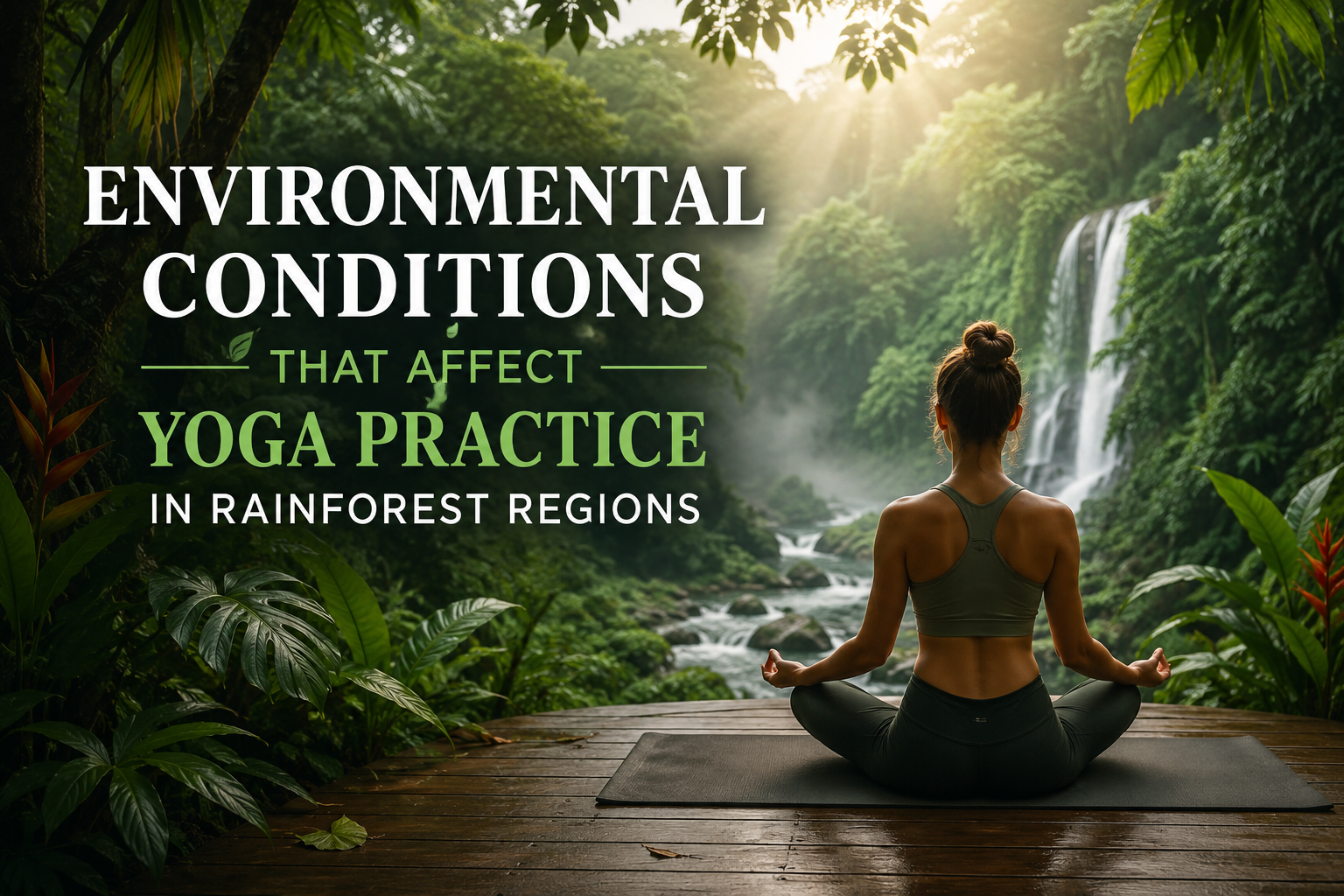
Yoga retreats in rainforest locations hold appeal to university students from peripheral locations who need to deepen their exercise at the same time as connecting with nature. The lush greenery, natural sounds, and nonviolent surroundings create a place that lets in mindfulness, meditation, and physical well-being.
Many practitioners discover that operating in the path of yoga outside lets them revel in a more potent connection amongst body, breath, and surroundings. However, information on the environmental conditions that affect yoga practice in rainforest regions is more essential in advance than taking part in a rainforest retreat.
Unlike studio environments, rainforests gift specific demanding conditions that would have an effect on comfort, protection, respiration, flexibility, and normal performance. Factors such as humidity, rainfall, temperature, terrain, and wildlife can substantially have an impact on everyday yoga instructions. By statistics, in situations earlier, university students can put things together as they have to and enjoy a more worthwhile experience.
Why Is It Important to Understand Environmental Conditions Before Practicing Yoga in Rainforest Regions?
The rainforest is one of the most biodiverse ecosystems on Earth, offering brilliant opportunities for outdoor fitness testimonies. While the ones' environments offer stunning surroundings, similarly, they introduce variables that may not exist in traditional yoga studios. Awareness of these factors allows practitioners to plan more correctly and keep away from vain, demanding conditions at some point of their retreat.
Understanding the environmental conditions that affect yoga practice in rainforest regions allows college students to pick out appropriate garb, preserve hydration, prepare for weather modifications, and pick out suitable devices. It furthermore allows retreat organizers to create more stable programs that accommodate nearby environmental conditions. When practitioners recognize the surroundings, they're able to popularize extra, actually the physical, intellectual, and non-secular elements of yoga.
How Does High Humidity Affect Yoga Practice in Rainforest Regions?
High humidity is one of the most influential environmental conditions that affects yoga practice in rainforest regions. Tropical rainforests regularly preserve humidity levels above eighty percent, developing a relatively top-notch level of revelry from training yoga in dry climates. Humidity affects each bodily not unusual performance and everyday consolation in the course of yoga training.
Why Does Humidity Increase Physical Exertion During Yoga?
When humidity levels are high, sweat evaporates more slowly from the pores and skin. This makes it much harder for the frame to alter temperature correctly, inciting practitioners to work harder and tire more quickly. Even moderate yoga periods may additionally, moreover, and further be more demanding than traditional ones.
The extra strain on the body's cooling system can increase perceived exertion. Students might also, moreover, need to slow their pace, take more breaks, and be interested in maintaining ordinary respiration at some point in their exercising.
How Can Excessive Sweating Affect Balance and Grip?
High humidity often results in extended perspiration, which would create stressful conditions at some point, as stability poses and transitions. Moisture accumulation at the fingers, feet, and yoga mat can lessen stability and make certain postures extra hard.
Using excellent non-slip mats and yoga towels can drastically increase grip. Practitioners want to, furthermore, keep a towel close by to wipe off extra moisture during training.
What Role Does Temperature Play in Rainforest Yoga Sessions?
Temperature is every wonderful critical element of most environmental conditions that affect yoga practice in rainforest regions. Most tropical rainforests experience hot temperatures for the duration of the 365 days, regardless of the fact that conditions can vary depending on altitude and seasonal weather patterns.
How Do Warm Temperatures Improve Flexibility?
Warm environments without a doubt encourage muscle relaxation and prolonged flow. Many practitioners phrase that they're capable of flowing into greater areas and no longer use a problem to stretch and maintain poses with extra ease in tropical climates.
Improved flexibility may also lessen the time required for warming up and carrying out activities. However, university college students need to, although methodically, stretch cautiously to avoid overstretching muscle groups that feel surprisingly free.
What Are the Risks of Overheating During Yoga Practice?
Although warm temperatures can be a useful resource for flexibility, excessive warmth may additionally create health dangers. Symptoms, which consist of dizziness, fatigue, nausea, and headaches, can suggest overheating and should in no way be neglected.
Practicing at some unspecified time in the destiny of cooler morning hours and drinking sufficient water at some degree of the day can help reduce heat-associated dangers. Retreat organizers often timetable classes early in the morning because of this.
Can Frequent Rainfall Impact Outdoor Yoga Practice?
Rainfall is one of the defining traits of tropical rainforest ecosystems. Understanding precipitation patterns is critical at the same time as evaluating the environmental conditions that affect yoga practice in rainforest regions.
How Does Rain Affect Outdoor Yoga Scheduling?
Rainforest weather can change rapidly, even in the midst of seasons, which can be considered an opportunity to dry. A smooth morning may, additionally, quickly exchange right into a heavy afternoon bath, requiring flexibility in scheduling.
Many yoga retreats hold protected systems or indoor exercise regions to resist sudden climate changes. This allows programs to run without important disruptions.
Why Are Covered Practice Spaces Important?
Protected exercise areas provide a dependable opportunity even when weather situations emerge as wrong for outdoor commands. They help maintain the mats' dryness and create a more stable environment within the route of heavy rainfall.
Covered spaces also permit university students to continue playing in the natural environment while remaining protected from excessive moisture and strong climate conditions.
How Does Rainforest Air Quality Influence Yoga and Breathing Exercises?
Air, extremely good, performs a vital characteristic in yoga, especially in the path of pranayama and meditation training. Among the numerous environmental conditions that affect yoga practice in rainforest regions, amazing air can properly affect respiratory concentration and relaxation.
Why Is Fresh Rainforest Air Beneficial for Pranayama?
Rainforests are rich in plant life, developing clean and healthy surroundings for breathing and bodily health. Many practitioners find that pranayama feels extra exciting and immersive at the same time as it is practiced in nonviolent outdoor environments.
The calm surroundings can also beneficially aid mindfulness by decreasing exposure to city noise and pollution. This allows college and university students to place more emphasis on their breath and meditation practices.
Can Pollen and Mould Affect Breathing Practices?
Although rainforest air is typically clean, some people may be sensitive to pollen, mildew spores, or other natural allergens. These factors can sometimes cause moderate breathing aches in the course of outdoor yoga schooling.
Practitioners with allergies or hypersensitive reactions have to take suitable precautions before visiting. Consulting a healthcare professional and wearing essential medicinal capsules can assist in making certain an extra sturdy and further cushioned experience.
How Do Seasonal Changes Affect Yoga Retreat Experiences in Rainforests?
Although rainforests typically keep robust climates, seasonal modifications can, however, have an impact on outdoor yoga commitments and retreat research. Weather styles, rainfall ranges, and direction situations frequently range throughout the pleasant 12 months.
Understanding versions because of the season allows the traffic to select the most suitable time for their retreat. It moreover allows practitioners to prepare for the environmental conditions they may be prone to encounter.
What Is the Difference Between Wet and Dry Seasons?
Wet seasons generally deliver accelerated rainfall, better humidity, and extra difficult path situations. While the rainforest seems especially lush and colorful at some point in this era, outdoor sports can also require extra flexibility.
Dry seasons typically offer a more predictable climate and less hard-to-get rid of admission to outside exercise areas. These situations often cause them to have a famous preference for yoga students and international website traffic.
Which Season Is Best for a Rainforest Yoga Retreat?
The extraordinary season is based on individual options and excursion dreams. Some practitioners enjoy the rich greenery and immersive environment of the moist season, while others prefer the cultivation of drier situations.
Researching nearby climate styles before booking a retreat can help set sensible expectations. Choosing the right season can contribute to greater fun and profitable yoga enjoyment.
How Can Practitioners Stay Safe During Yoga Sessions in Rainforest Regions?
Safety must continuously be a concern at the same time as participating in outside fitness programs. Proper education allows practitioners to experience rainforest yoga at the same time as minimizing environmental risks.
Being privy to weather conditions, staying hydrated, and following close guidance can assist in creating a more regular and extra enjoyable yoga experience. Small precautions frequently make a wonderful difference in tropical environments.
Why Is Hydration Essential for Outdoor Yoga?
High temperatures and humidity promote fluid loss via perspiration. Consistent hydration lets one maintain energy levels, interest, and normal fitness throughout yoga durations.
Students need to drink water frequently at some unspecified time in the future of the day in order to avoid waiting until they experience thirst. Proper hydration can also help lessen the chance of fatigue and heat-related aches.
Why Is Local Instructor Guidance Valuable?
Experienced close-by teachers comprehend close-by climate styles, natural global hobbies, and terrain situations. Their expertise allows practitioners to adapt very well to the demanding conditions of rainforest environments.
Following teacher recommendations regarding schedules, garb, and environmental precautions can substantially improve consolation and safety. Local facts additionally permit a smoother and more worthwhile retreat experience.
Get your internationally recognized yoga certification with authentic yoga standards in South America
Conclusion
Understanding the Environmental Conditions That Affect Yoga Practice in Rainforest Regions is critical for everyone planning a yoga retreat in a tropical environment. Factors that consist of humidity, temperature, rainfall, terrain, and air pleasantness can extensively have an effect on both comfort and conventional performance in the direction of yoga.
Seasonal modifications and nearby environmental conditions, moreover, play an essential role in shaping the general retreat experience. Being aware of those elements allows practitioners to put together and adapt their physical activities efficiently while they are vital.
With the right education, suitable device, and practical expectations, rainforest yoga may be a reasonably worthwhile revelry. By respecting the herbal surroundings and following appropriate safety measures, practitioners can enjoy a constant, snug, and transformative adventure at the same time as deepening their connection with yoga and nature.
Explore Our Recent Blogs
-
Travel Packing Guide for Yoga Teacher Training in South America
-
Local Cultural Etiquette Yoga Students Should Know in South America
-
How to Manage Jet Lag During Yoga Training in South America?
-
Connectivity and Remote Work Options for Yoga Students in South America
Frequently Asked Questions
1. Is rainforest yoga suitable for beginners?
Yes, rainforest yoga retreats are appropriate for novices, as many programs provide instructions for a considered, one-of-a-kind experience. Instructors normally provide modifications for poses and guidance on adapting to tropical conditions. Proper hydration and coaching can assist beginners in experiencing a cushy revel.
2. What is the biggest challenge of practicing yoga in rainforest regions?
High humidity is regularly the most crucial element, as it will cause growth and sweating and can make physical hobby experiences more traumatic. Humid conditions may additionally have an impact on grip in the path of yoga poses. Using a non-slip mat and staying hydrated can help manage these traumatic situations efficiently.
3. What should I pack for a rainforest yoga retreat?
You need to pack moisture-wicking garb, a non-slip yoga mat, insect repellent, and a reusable water bottle. Waterproof baggage and cushy walking footwear are also endorsed for rainforest environments. These necessities help enhance comfort and safety during your retreat.
4. Is outdoor yoga safe during the rainy season?
Outdoor yoga can be secure throughout the wet season, even as schooling is properly planned and monitored. Many retreats provide covered exercising regions to address unexpected rainfall. Following trainer steerage and weather updates lets us make sure of an extra regular arrival.
5. Can humidity affect meditation and breathing exercises?
Yes, humidity may have an effect on respiration and acclimatization, mainly for individuals who are not used to tropical climates. Some practitioners may additionally, and more importantly, first of all, discover deep respiratory-carrying sports activities and sports more difficult. Most people adapt over time and hold to the benefits of meditation and pranayama practices.
6. Why are rainforest yoga retreats becoming more popular?
Rainforest yoga retreats combine well-being sports activities with an immersive natural environment. Many people respect the opportunity to disconnect from busy urban environments and focus attention on mindfulness. The peaceful atmosphere permits relaxation, personal growth, and a deeper yoga experience.