
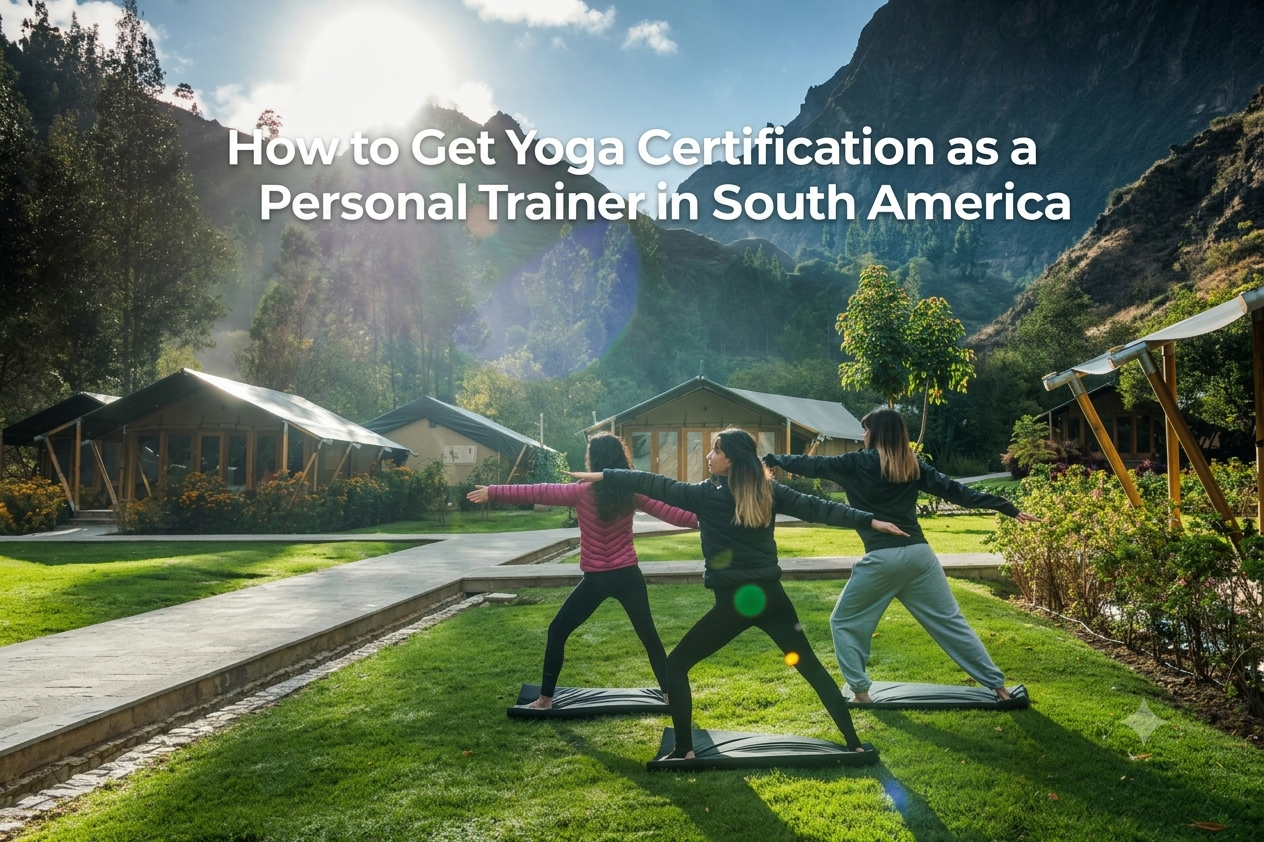
The fitness and wellness industry is expanding as more people recognise the importance of maintaining physical strength, flexibility, mental balance and a healthy lifestyle. Personal trainers traditionally focus on strength training, cardiovascular exercises, muscle conditioning and individual fitness programmes. However, many fitness professionals are now exploring yoga to expand their knowledge and provide more comprehensive wellness services.
Understanding How to Get Yoga Certification as a Personal Trainer in South America can help fitness professionals develop additional skills and explore new career opportunities. South America offers an interesting environment for individuals interested in yoga education and professional development. Countries such as Brazil, Argentina, Chile, Colombia, Peru, Bolivia and Uruguay have growing fitness and wellness communities.
Personal trainers can explore yoga teacher training programmes that introduce traditional yoga practices, including asanas, pranayama, meditation and yoga philosophy. These subjects can help fitness professionals understand how yoga complements conventional exercise programmes.
Why Should Personal Trainers Get Yoga Certification in South America?
Personal trainers work with clients who have different physical abilities, fitness objectives and lifestyle requirements. Although traditional personal training focuses on strength, endurance and cardiovascular conditioning, yoga introduces additional elements such as flexibility, balance, controlled breathing and relaxation. Learning yoga can help fitness professionals develop a broader understanding of physical activity and holistic wellness. It also provides an opportunity to introduce suitable mindful movement practices into their existing fitness services.
South America provides opportunities for fitness professionals to explore yoga education in different cultural and professional environments. Cities such as São Paulo, Buenos Aires, Santiago, Bogotá and Lima have established fitness and wellness communities where yoga is practised alongside other physical activities. Personal trainers can explore local yoga schools, international training programmes and different yoga traditions. This exposure can help them understand the needs of diverse students and develop a broader perspective on professional fitness instruction.
Benefits of Combining Personal Training with Yoga
-
Expanded Professional Knowledge: Yoga teacher training introduces personal trainers to asanas, pranayama, meditation and traditional yoga philosophy.
-
More Diverse Fitness Services: Personal trainers can explore offering dedicated yoga sessions alongside their existing fitness programmes after obtaining suitable qualifications.
-
Improved Movement Awareness: Yoga education focuses on posture, alignment, balance and controlled movement. Understanding these principles can complement the trainer's existing knowledge of exercise techniques and physical conditioning.
-
Additional Career Opportunities: A yoga teaching qualification can help personal trainers explore opportunities with yoga studios, gyms, wellness centres and retreat organisations.
-
Professional Networking: Yoga teacher training creates opportunities to connect with experienced instructors, fitness professionals and wellness practitioners.
-
International Professional Exposure: Personal trainers interested in working abroad can explore international yoga training opportunities. However, they should check local employment regulations, immigration requirements.
Take the Next Step in Your Yoga Journey with YAI South America
Whether you are a yoga teacher looking for professional certification or a yoga school seeking certification, YAI provides opportunities to support your professional journey and recognition. Choose the relevant application below to get started.
School: https://form.jotform.com/250402319636452
Teacher: https://form.jotform.com/250700797178464
What Qualifications Do Personal Trainers Need Before Joining Yoga Teacher Training in South America?
Personal trainers generally do not need to complete a separate yoga qualification before joining an entry-level yoga teacher training programme. However, previous experience in fitness instruction, exercise science or physical conditioning can provide a useful foundation. A personal training certificate may demonstrate an understanding of anatomy, exercise principles, body movement and client management. These skills can support the learning process, particularly when studying yoga alignment and teaching methodology.
Admission requirements vary between yoga schools and certification programmes. Some schools accept beginners who have developed a regular personal yoga practice, while others prefer applicants with previous experience. Personal trainers should carefully review the school's eligibility criteria, course curriculum, practical training requirements and assessment procedures before applying. They should also check whether their existing fitness qualifications are relevant to the programme.
Common Admission Requirements for Personal Trainers
-
Previous Fitness Qualification: A personal training certificate or relevant fitness education can demonstrate your professional background. Although it may not be compulsory.
-
Basic Yoga Practice: Some training providers recommend regular yoga practice before enrolment. Familiarity with basic postures, breathing exercises and simple yoga sequences can make the training experience easier.
-
Knowledge of Human Anatomy: Understanding muscles, joints, posture and body movement can be helpful during yoga anatomy lessons. This knowledge also supports the development of safer teaching techniques.
-
Physical Readiness: Students should be prepared to participate in practical sessions involving yoga postures, controlled movements and breathing exercises.
-
Commitment to Learning: Yoga teacher training requires regular attendance, independent study and practical assessments. Personal trainers should be prepared to study both the physical and philosophical aspects of yoga.
-
Application Documents: Depending on the training provider, applicants may need identification documents, previous qualification certificates, photographs or an application form.
How to Choose the Right Yoga Teacher Training Course as a Personal Trainer in South America?
Selecting the right yoga teacher training programme is an important step towards professional development. Personal trainers should consider more than the course duration or advertised certificate. A comprehensive programme should introduce important subjects such as yoga philosophy, anatomy, asana practice, pranayama, meditation and teaching methodology. These subjects help fitness professionals understand yoga beyond physical exercise and develop the foundational knowledge required to guide students.
When researching How to Get Yoga Certification as a Personal Trainer in South America, comparing different training providers can help you make an informed decision. South America offers different educational environments, including local yoga schools and programmes connected with international certification organisations. Personal trainers should examine the school's curriculum, instructor experience, practical teaching opportunities and certificate details. They should also confirm whether the programme supports their intended professional goals.
Important Factors to Consider When Selecting a Yoga School
-
Comprehensive Curriculum: Choose a programme that covers the essential areas of yoga education. The curriculum should include yoga philosophy, anatomy, asanas, pranayama, meditation and teaching methodology.
-
Experienced Yoga Instructors: Review the professional background, teaching experience and educational qualifications of the instructors. Learning from knowledgeable teachers can help you understand traditional yoga principles and practical instruction.
-
Certification Recognition: Check the organisation issuing the certificate and the qualification it represents. If international recognition is important, confirm the applicable registration or certification requirements directly with the relevant organisation.
-
Practical Teaching Sessions: Select a course that includes supervised teaching practice and student assessments. Practical experience helps personal trainers develop confidence in giving instructions, demonstrating postures and managing yoga classes.
-
Flexible Training Options: Consider whether the school offers full-time, part-time, residential or online-supported learning. A suitable schedule can help working fitness professionals balance their existing responsibilities with yoga education.
-
Student Support and Facilities: Ask about learning materials, accommodation, practice facilities and post-training guidance. These details can help you evaluate the overall quality and suitability of the training experience.
What Does Yoga Teacher Training Include for Personal Trainers in South America?
Yoga teacher training introduces students to the practical, theoretical and philosophical foundations of yoga. For personal trainers, this education can provide a different perspective on physical movement and overall wellness. Instead of focusing exclusively on repetitions, resistance and exercise intensity, yoga training explores controlled movement, breathing awareness, body alignment and mental concentration. Understanding these areas can help fitness professionals recognise how yoga differs from conventional exercise instruction.
The exact curriculum depends on the training provider and certification level. A foundational 200-hour yoga teacher training programme commonly includes yoga philosophy, anatomy, practical asana training, pranayama, meditation and teaching methodology. Advanced programmes may introduce more specialised subjects and additional teaching practice. Personal trainers should select a course that matches their existing experience, learning objectives and long-term professional plans.
Core Subjects Covered During Yoga Teacher Training
-
Yoga Philosophy: Students explore the background, principles and traditional teachings of yoga. This subject helps personal trainers understand that yoga includes mental discipline and self-awareness.
-
Asana Practice: Training covers traditional yoga postures, their variations, alignment and appropriate modifications. Personal trainers learn how to guide students through different sequences.
-
Pranayama Techniques: Students learn breathing practices that encourage controlled and conscious breathing. This knowledge can help personal trainers understand how breathing awareness forms an important part of yoga instruction.
-
Yoga Anatomy and Physiology: This subject explains how muscles, joints and body systems relate to yoga practice. It also introduces movement awareness, posture and the importance of adapting exercises to individual requirements.
-
Meditation and Relaxation: Training introduces concentration exercises, mindfulness and relaxation practices. These techniques help students understand the mental and restorative aspects of traditional yoga.
-
Teaching Methodology: Students learn how to plan classes, demonstrate postures, provide verbal instructions and manage different groups. Practical teaching sessions help them develop the communication skills required for professional instruction.
What Are the Steps to Get Yoga Certification as a Personal Trainer in South America?
Understanding How to Get Yoga Certification as a Personal Trainer in South America becomes easier when the process is divided into practical steps. Personal trainers should begin by identifying their professional objectives and deciding how yoga education will support their existing careers. Some may want to become full-time yoga instructors, while others may prefer to combine yoga classes with personal training services. Having a clear goal can help determine the appropriate course and certification level.
The next step is researching yoga schools and comparing their training programmes. Applicants should review admission requirements, course content, training hours, assessment methods and certification details. After selecting a suitable programme, they can complete the application process, attend the required classes and participate in practical assessments. Successful completion of the programme may lead to the certificate specified by the training provider.
Step-by-Step Yoga Certification Process
-
Step 1: Decide whether you want to become a dedicated yoga instructor or combine yoga with personal training. Your professional goals will help determine the most suitable certification level and learning format.
-
Step 2: Explore established yoga schools in South America and compare their educational standards. Check instructor qualifications, curriculum details, student feedback and certification information.
-
Step 3: Review the school's admission requirements and confirm whether previous yoga experience or a fitness qualification is necessary. Prepare the required documents before submitting your application.
-
Step 4: Choose a 200-hour foundational course or another programme that matches your experience. Confirm the training schedule, practical sessions, fees and assessment requirements before enrolling.
-
Step 5: Attend theoretical and practical classes covering yoga philosophy, anatomy, asanas, pranayama and meditation. Participate actively and complete the independent learning activities assigned by your instructors.
-
Step 6: Participate in the required examinations, assignments and teaching practice. After meeting the programme requirements, receive the certificate issued by the training organisation.
How Can Personal Trainers Combine Yoga with Their Existing Fitness Careers?
Combining yoga with personal training can help fitness professionals develop a more diverse approach to client services. Traditional personal training often involves resistance exercises, cardiovascular activities, mobility work and fitness assessments. Yoga introduces additional practices that focus on posture, breathing, balance and concentration. By understanding both disciplines, trainers can develop more varied sessions based on individual client goals and their professional qualifications.
However, personal trainers should recognise that yoga and conventional exercise training have different teaching principles. Completing a yoga teacher training course does not mean that every fitness exercise can be converted into a yoga posture or that all clients should follow the same routine. Trainers must consider individual abilities, experience and relevant limitations. They should also avoid making medical claims or presenting yoga as a replacement for professional healthcare.
Practical Ways to Integrate Yoga into Personal Training
-
Offer Dedicated Yoga Sessions: Introduce separate yoga classes alongside existing fitness services after obtaining suitable training. Sessions can focus on basic postures, controlled movements and breathing awareness.
-
Include Flexibility Exercises: Use appropriate yoga postures and movements to support clients working towards flexibility and mobility goals. Select exercises according to individual experience and ensure that movements remain comfortable.
-
Introduce Mindful Fitness Practices: Combine suitable breathing exercises with physical training to encourage greater movement awareness. Explain the purpose of each practice without promising specific medical or psychological outcomes.
-
Develop Beginner-Friendly Classes: Design introductory sessions for clients who have limited experience with yoga. Use simple instructions, accessible postures and suitable modifications to make the practice easier to follow.
-
Create Individualised Wellness Programmes: Consider each client's fitness objectives, physical abilities and preferences when planning sessions. A combination of personal training and yoga can provide a more varied exercise experience.
-
Maintain Professional Boundaries: Work within your qualifications and professional scope. Refer clients to qualified healthcare professionals when they require medical assessment, rehabilitation or treatment beyond your expertise.
What Career Opportunities Are Available After Yoga Certification in South America?
Obtaining yoga certification can help personal trainers explore professional opportunities in the wider wellness industry. South America includes different fitness centres, yoga studios, wellness communities and retreat environments. Personal trainers with additional yoga education may be able to apply for suitable teaching positions or develop independent services. Their previous experience in fitness instruction can also help them communicate with clients who want to combine strength training with mindful movement.
Career opportunities depend on the local market, teaching experience, certification requirements and individual professional skills. Cities such as São Paulo, Rio de Janeiro, Buenos Aires, Santiago, Bogotá and Lima may offer different opportunities within their fitness and wellness communities. Personal trainers interested in international work should also investigate local employment regulations, visa conditions and the acceptance of their training certificate. A yoga qualification can support professional development, but employment is not guaranteed.
Potential Career Paths for Certified Yoga Instructors
-
Yoga Studio Instructor: Work with yoga studios that offer group classes for beginners and experienced practitioners. Personal trainers can use their fitness knowledge and communication skills to teach classes effectively.
-
Fitness Centre Yoga Trainer: Explore opportunities at gyms and fitness centres that provide yoga as part of their wellness services. This role may allow professionals to combine their personal training background with yoga instruction.
-
Independent Yoga Instructor: Develop independent classes for individuals or small groups. Instructors can build their professional presence through local networking, referrals and suitable digital marketing strategies.
-
Corporate Wellness Instructor: Explore corporate wellness programmes that include yoga, movement awareness and relaxation sessions. Employers may seek instructors who can deliver suitable classes for their employees.
-
Yoga Retreat Instructor: Apply for relevant opportunities with retreat centres and wellness organisations. These environments may provide experience with international participants and different yoga practice styles.
-
Online Yoga Educator: Develop online classes or educational content for students who prefer remote learning. Personal trainers can use digital platforms to reach audiences beyond their immediate geographical location.
How Can Personal Trainers Build a Successful Yoga Teaching Career After Certification?
Receiving a yoga teaching certificate is an important achievement, but building a sustainable professional career requires continued learning and practical experience. Personal trainers should focus on developing their teaching confidence, communication abilities and understanding of yoga principles. They can begin by conducting supervised practice sessions, teaching small groups and collecting constructive feedback. These experiences can help them improve class planning, demonstrate postures more clearly and respond appropriately to student needs.
Professional development should continue after certification. Yoga teachers can explore additional workshops, advanced training and relevant educational resources. They can also develop a professional portfolio that includes their qualifications, teaching experience, class descriptions and areas of specialisation. For personal trainers, combining established fitness knowledge with appropriate yoga education can create a distinctive professional profile within the wellness industry.
Strategies for Developing Your Yoga Teaching Career
-
Gain Practical Teaching Experience: Start with supervised teaching practice or beginner-friendly sessions. Regular instruction helps you improve your voice, demonstration techniques and ability to manage a class.
-
Create a Professional Portfolio: A well-organised portfolio can help prospective employers and clients understand your professional background.
-
Build an Online Presence: Create a professional website or social media profile to share your services and educational content. Publish useful information about yoga practice, class schedules and your teaching approach.
-
Continue Professional Education: Attend workshops and consider advanced yoga training when appropriate. Continuous learning helps you improve your knowledge and stay connected with the yoga community.
-
Connect with Wellness Professionals: Build relationships with yoga instructors, gym owners, fitness trainers and wellness organisations. Professional networking can introduce you to teaching opportunities and potential collaborations.
-
Maintain Professional Teaching Standards: Prioritise student safety, ethical instruction and appropriate class planning. Listen to feedback and adapt your teaching methods according to your experience and qualifications.
Get your internationally recognized yoga certification with authentic yoga standards in South America.
Conclusion
Understanding How to Get Yoga Certification as a Personal Trainer in South America can help fitness professionals identify new opportunities for professional growth. Yoga education introduces important concepts such as asanas, pranayama, meditation, anatomy and mindful movement. These skills can complement existing personal training knowledge and help professionals develop a broader approach to fitness and wellness.
The journey begins with identifying your career goals, researching suitable yoga schools and selecting an appropriate training programme. A foundational 200-hour yoga teacher training course can provide an introduction to yoga philosophy, practical instruction and teaching methodology. Personal trainers should also evaluate the school's certification standards, instructor qualifications and practical assessment requirements before enrolling.
Explore Our Recent Blogs
Frequently Asked Questions
1. Can a Personal Trainer Become a Certified Yoga Teacher in South America?
Yes, personal trainers can enrol in yoga teacher training programmes offered by eligible schools in South America. Previous fitness experience can provide a useful foundation for learning yoga anatomy, movement and teaching methodology. However, applicants must meet the admission requirements of their selected training provider.
2. Do Personal Trainers Need Previous Yoga Experience to Join a 200-Hour Course?
Not every yoga school requires extensive previous yoga experience for its foundational programmes. Some schools accept beginners, while others recommend regular personal practice before enrolment. It is important to check the school's eligibility requirements before applying.
3. How Long Does It Take to Get Yoga Certification in South America?
The duration depends on the course structure and training schedule. An intensive 200-hour programme may be completed over several weeks, while part-time courses can take several months. Applicants should confirm the actual training hours and completion timeline with their chosen school.
4. Is an International Yoga Certificate Useful for Teaching Abroad?
An internationally certified yoga certificate may help demonstrate your training and educational background to potential employers. However, recognition depends on the organisation issuing the certificate and the requirements of the country where you intend to work. Always check local professional, employment and immigration regulations before accepting a teaching position.
5. Can I Continue Working as a Personal Trainer During Yoga Teacher Training?
Yes, many personal trainers can continue their existing work while studying, depending on the programme schedule. Part-time and flexible training options may make it easier to balance professional responsibilities with yoga education. However, intensive residential programmes may require a greater time commitment.
6. Is 200-Hour Yoga Teacher Training Enough to Start Teaching Yoga?
A certified 200-hour foundational programme can provide the essential knowledge and practical teaching skills needed to begin a yoga teaching career, depending on the applicable certification standards. New instructors should continue gaining practical experience and developing their teaching abilities after completing the course. Advanced education can also help them explore specialised areas of yoga instruction.