
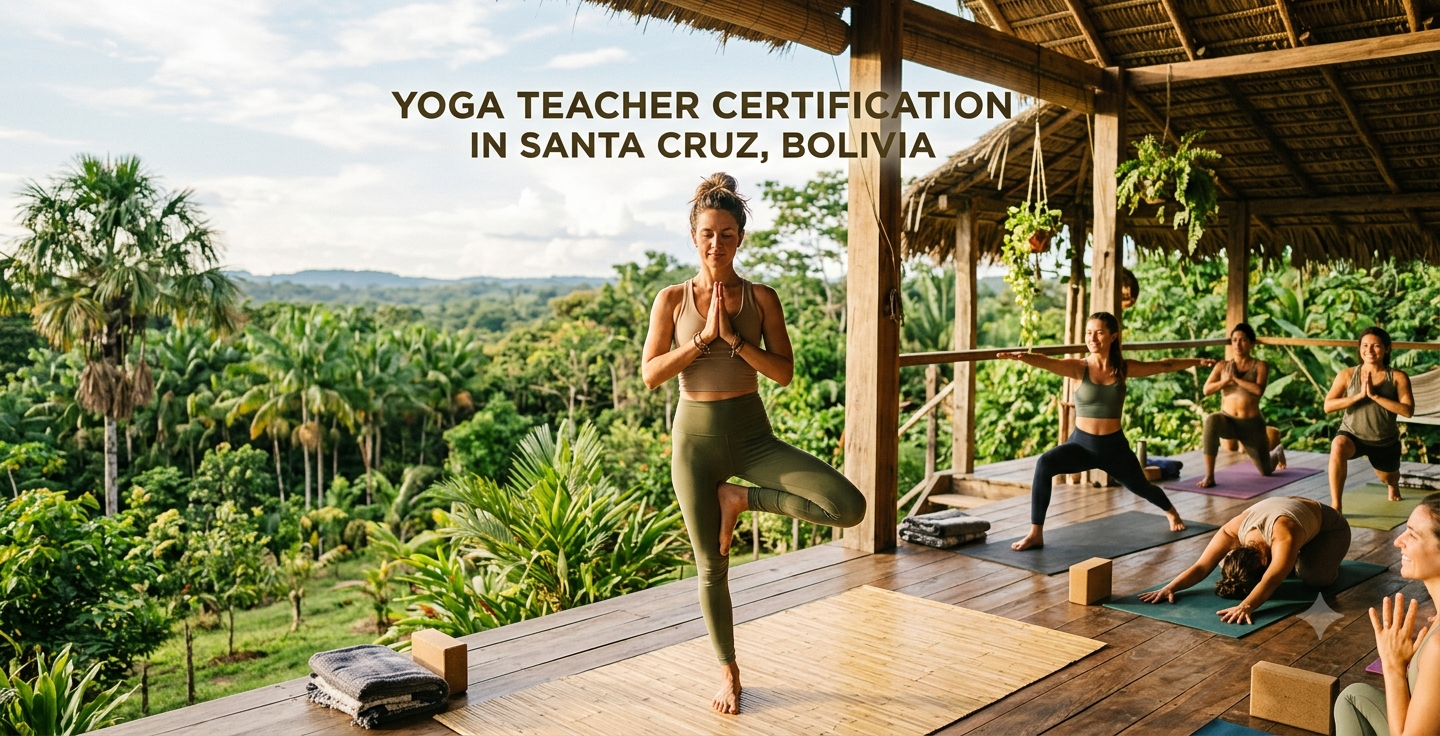
Yoga is becoming an increasingly popular wellness practice among people seeking better physical health, mental well-being and a balanced lifestyle. In Santa Cruz, Bolivia, growing interest in fitness and holistic wellness has encouraged more people to explore yoga as a personal practice and professional career. Understanding how to get yoga teacher certification in Santa Cruz, Bolivia, can help aspiring instructors take the right steps towards their goals.
A structured yoga teacher training programme introduces students to yoga philosophy, asanas, pranayama, meditation, anatomy and teaching methodology. It also develops the practical skills needed to guide students safely and confidently.
Whether you are a beginner or an experienced practitioner, choosing the right yoga instructor training course is essential. Learning about certification levels, eligibility requirements, course duration and career opportunities can help you make an informed decision and begin your journey towards becoming a certified yoga teacher.
What Is Yoga Teacher Certification in Santa Cruz, Bolivia?
Yoga teacher certification is a professional qualification that demonstrates an individual's understanding of yoga principles, teaching methods and practical techniques. It is generally awarded after completing a structured yoga teacher training programme and meeting the assessment requirements established by the training provider. In Santa Cruz, Bolivia, aspiring instructors can explore suitable training opportunities that cover traditional yoga practices alongside modern teaching approaches.
A yoga teacher certification programme usually combines theoretical learning with practical sessions to develop well-rounded instructors. Students learn how to perform and demonstrate yoga postures, guide breathing exercises, understand meditation techniques and communicate effectively with participants. The training also introduces yoga philosophy, anatomy, physiology and professional teaching responsibilities. Completing an appropriate programme can help practitioners build confidence and prepare for opportunities in yoga studios, wellness centres and independent teaching environments.
Why Is Yoga Certification Important?
-
Professional Knowledge: This foundation helps aspiring instructors understand the purpose and correct application of different yoga practices.
-
Teaching Confidence: Practical teaching sessions allow students to practise guiding classes and providing instructions. They gradually develop the confidence required to manage groups and support individual learners.
-
Student Safety: Learning anatomy, posture modifications and alignment principles helps teachers recognise common physical limitations. These skills allow them to create safer and more accessible yoga sessions.
-
Career Preparation: Completing recognised training can strengthen a candidate's professional profile. It may help them apply for teaching opportunities at yoga studios, fitness centres and wellness establishments.
-
Personal Development: Yoga teacher training encourages self-discipline, mindfulness and a deeper understanding of traditional yoga principles. Students can also develop healthier habits through regular practice.
-
International Opportunities: A certified certification may support applications for teaching opportunities in other countries., acceptance depends on the employer, training organisation and any local professional requirements.
Take the Next Step in Your Yoga Journey with YAI South America
Whether you are a yoga teacher looking for professional certification or a yoga school seeking certification, YAI provides opportunities to support your professional journey and recognition. Choose the relevant application below to get started.
School: https://form.jotform.com/250402319636452
Teacher: https://form.jotform.com/250700797178464
What Are the Requirements to Become a Certified Yoga Teacher in Santa Cruz, Bolivia?
The requirements for becoming a certified yoga teacher in Santa Cruz, Bolivia, depend on the training provider, certification level and programme structure. Most beginner-level yoga teacher training courses welcome individuals who have a genuine interest in yoga and a willingness to learn. Previous professional teaching experience is generally not necessary for an entry-level programme, although regular personal practice can make the learning process easier.
Before enrolling, candidates should review the eligibility criteria and documentation requested by their chosen training organisation. Some programmes may recommend a minimum period of personal yoga practice, while others may accept beginners who are prepared to follow an intensive learning schedule. Students should also consider their physical readiness, availability, and ability to participate in theoretical and practical assessments. Understanding these requirements in advance can help applicants select a suitable yoga teacher training programme.
Common Eligibility Requirements
-
Minimum Age: Many yoga teacher training providers require applicants to be at least 18 years old. However, age requirements may differ depending on the institution and programme.
-
Interest in Yoga: A genuine interest in yoga philosophy, physical postures and mindfulness is important. Students should be willing to learn traditional concepts and develop their personal practice throughout the course.
-
Previous Yoga Experience: Some programmes recommend regular yoga practice before admission. Beginner-friendly courses may accept students without extensive experience, provided they are motivated to learn.
-
Educational Background: Most introductory yoga teacher training programmes do not require a specific university degree. Applicants should have sufficient reading and communication skills to understand the course material.
-
Health and Physical Readiness: Students should be comfortable participating in regular physical practice. They should inform their training provider about relevant physical limitations so that appropriate modifications can be discussed.
-
Required Documentation: Applicants may need to provide identification, an application form, photographs or previous training certificates. The exact documentation should be confirmed with the selected institution.
What Types of Yoga Teacher Training Certifications Are Available in Santa Cruz, Bolivia?
People interested in yoga teacher certification in Santa Cruz, Bolivia, can explore different training levels according to their experience and professional goals. The most common options include 200-hour, 300-hour and 500-hour yoga teacher training programmes. Each level offers a different depth of knowledge and practical experience, helping students progress from foundational learning to advanced teaching skills.
Choosing the right certification level is important because it influences the subjects covered, training duration and future professional opportunities. Beginners generally start with a 200-hour programme to understand essential yoga concepts and teaching techniques. Practitioners who already hold a foundational qualification may consider advanced training to improve their knowledge of anatomy, sequencing, philosophy and specialised teaching methods. Applicants should check the specific curriculum and recognition of the certificate before making a decision.
Common Yoga Certification Levels
1. 200-Hour Yoga Teacher Training (CYT 200)
A 200-hour yoga teacher training programme is generally considered an entry-level professional training option. It introduces students to foundational yoga philosophy, asanas, pranayama, meditation, anatomy and teaching methodology. The course also includes practical teaching exercises that help students learn how to plan and conduct beginner-friendly yoga classes.
This programme is suitable for individuals who want to develop their personal practice and prepare for their first teaching opportunities. After successfully completing the required training and assessment, students may receive a Certified Yoga Teacher (CYT 200) qualification from their training organisation.
2. 300-Hour Yoga Teacher Training (CYT 300)
A 300-hour yoga teacher training programme is designed for practitioners who have already completed foundational teacher training. It explores advanced asanas, detailed anatomy, yoga philosophy, class sequencing and specialised teaching approaches. Students also develop a deeper understanding of how to adapt yoga practices for different experience levels.
This qualification can help existing instructors strengthen their professional knowledge and teaching abilities. It is particularly useful for teachers who want to expand their class offerings and develop more advanced instructional skills.
3. 500-Hour Yoga Teacher Training (CYT 500)
A 500-hour yoga teacher training programme provides comprehensive education through foundational and advanced training components. Depending on the provider, it may be completed as one integrated programme or through a combination of 200-hour and 300-hour courses. Students study traditional yoga principles, advanced postures, anatomy, meditation and professional teaching methods.
This training level is suitable for individuals who want to pursue extensive yoga education and develop a strong professional foundation. Before enrolling, candidates should confirm whether the course includes both levels and how the final certification is awarded.
How Long Does Yoga Teacher Training Take in Santa Cruz, Bolivia?
The duration of yoga teacher training in Santa Cruz, Bolivia, depends on the certification level, teaching schedule and course format. A 200-hour yoga teacher training programme may take approximately three to eight weeks in an intensive format or several months when conducted part-time. The duration of advanced 300-hour and combined 500-hour programmes can be longer because they cover additional subjects and require more practical learning.
Students should consider their personal schedules before selecting a training format. Intensive programmes require regular attendance and dedicated study time, while part-time courses allow learners to balance training with professional and personal responsibilities. Online and hybrid programmes may offer additional flexibility, although practical teaching assessments and contact-hour requirements should be checked carefully. The total duration should include classroom learning, independent study, personal practice and teaching assignments.
Factors That Influence Training Duration
-
Certification Level: A foundational 200-hour course generally requires less time than advanced or combined training programmes. Higher certification levels involve additional theoretical and practical subjects.
-
Course Schedule: Full-time programmes usually have longer daily sessions and can be completed within a shorter calendar period. Weekend or part-time courses spread the learning process over several months.
-
Learning Format: In-person training provides direct interaction with instructors, while online learning offers flexibility for theoretical subjects. Hybrid programmes combine both formats according to the provider's structure.
-
Practical Teaching Hours: Students need time to practise teaching, receive feedback and improve their instructional skills. These practical requirements can influence the overall training schedule.
-
Assessment Requirements: Written examinations, practical demonstrations and teaching assignments may form part of the course. Completing these activities successfully is necessary before certification.
-
Personal Availability: Work commitments, family responsibilities and individual learning speed can affect how quickly students complete their training. Selecting a realistic schedule helps maintain consistency.
What Does a Yoga Teacher Training Course in Santa Cruz, Bolivia, Include?
A yoga teacher training course in Santa Cruz, Bolivia, generally includes theoretical education, physical practice and practical teaching experience. The curriculum is designed to help students understand the traditional foundations of yoga while developing the skills needed to guide classes. Although subjects vary between training providers, most comprehensive programmes cover yoga philosophy, asanas, pranayama, meditation, anatomy and teaching methodology.
The combination of these subjects helps students understand yoga beyond physical exercise. They learn how body movements, breathing practices and mental awareness work together to support overall well-being. Training also introduces professional responsibilities, including class preparation, communication, student assessment and appropriate posture modifications. By completing theoretical lessons and practical assignments, aspiring instructors can develop a balanced understanding of yoga teaching.
Core Subjects Covered in Yoga Teacher Training
1. Yoga Philosophy and History: Students explore the origins, traditional principles and philosophical foundations of yoga. They may study concepts from classical yoga texts, including the Yoga Sutras of Patanjali, and understand how these principles relate to modern practice.
2. Asanas and Alignment: This subject focuses on different yoga postures, their benefits, variations and correct alignment. Students learn how to demonstrate poses and provide suitable modifications for different abilities.
3. Pranayama and Breathing Techniques: Pranayama introduces students to traditional breathing exercises and their role in yoga practice. They learn techniques such as diaphragmatic breathing, alternate nostril breathing and other controlled breathing methods.
4. Meditation and Mindfulness: Meditation lessons help students understand concentration, awareness and mental relaxation. They learn how to introduce basic meditation practices into their yoga classes.
5. Anatomy and Physiology: Students study the basic structure and functions of the human body, including muscles, joints and movement patterns. This knowledge helps them understand physical alignment and recognise the importance of practising within individual limitations.
6. Teaching Methodology and Class Sequencing: Teaching methodology focuses on communication, demonstration, class planning and student guidance. Students practise creating balanced yoga sessions and delivering clear instructions to different groups.
How Should You Choose a Yoga Teacher Training School in Santa Cruz, Bolivia?
Selecting the right yoga teacher training school is one of the most important decisions when planning your certification journey. Different institutions may offer different teaching styles, course structures, training hours and certification arrangements. Therefore, students should compare available programmes instead of choosing an institution based only on its fees or promotional claims.
When evaluating a yoga teacher training school in Santa Cruz, Bolivia, consider the qualifications and experience of its instructors, the subjects included in the curriculum and the amount of practical teaching experience provided. It is also important to understand the organisation issuing the certificate and whether its qualification meets your intended professional requirements. Students planning to teach internationally should check recognition and acceptance with relevant employers or professional organisations before making a payment.
Important Factors to Consider
-
Certification Recognition: Check which organisation issues the certificate and what professional standards the programme follows. Do not assume that every yoga certificate has automatic international recognition.
-
Qualified Instructors: Review the instructors' educational background, teaching experience and areas of specialisation. Experienced trainers can provide practical guidance and useful feedback.
-
Complete Course Curriculum: Ensure that the programme includes yoga philosophy, asanas, anatomy, pranayama, meditation and teaching methodology. A balanced curriculum provides a stronger foundation for professional development.
-
Practical Teaching Experience: Look for courses that include supervised teaching sessions and opportunities to practise class instruction. Practical experience helps students develop confidence before teaching independently.
-
Training Format and Duration: Compare intensive, part-time, online, and hybrid learning options. Select a schedule that matches your availability and preferred learning style.
-
Fees and Additional Support: Ask for a clear breakdown of tuition fees, study materials, examination charges and certificate costs. Also check whether the institution offers post-training guidance or professional development support.
How Can You Prepare for Yoga Teacher Training in Santa Cruz, Bolivia?
Preparing for yoga teacher training in Santa Cruz, Bolivia, can make the learning experience more comfortable and productive. Although many beginner-level programmes do not require advanced yoga skills, developing a consistent personal practice before enrolment can be helpful. Students can start by practising basic asanas, learning simple breathing exercises and becoming familiar with foundational yoga concepts.
Preparation should also include practical planning and a willingness to learn. Candidates should understand the course schedule, arrange their study materials and make time for regular practice. Reading introductory yoga philosophy and learning basic anatomy can also provide useful background knowledge. Most importantly, students should approach their training with patience, discipline and an open mind because becoming a confident instructor requires continuous practice and personal development.
Practical Ways to Prepare
-
Build a Regular Yoga Routine: Start practising basic yoga postures several times a week. Focus on consistency, correct alignment and comfortable movement rather than attempting advanced poses.
-
Learn Basic Yoga Terminology: Become familiar with common Sanskrit terms, yoga postures and breathing techniques. This can make theoretical lessons easier to understand.
-
Study Introductory Yoga Philosophy: Read about the history and traditional principles of yoga. Understanding its broader purpose can help you connect physical practice with mental and personal development.
-
Improve Physical Awareness: Pay attention to posture, balance, flexibility, and breathing during practice. Avoid forcing movements beyond your comfortable range.
-
Prepare Your Learning Materials: Arrange a yoga mat, comfortable clothing, notebook, and any recommended study resources. Having these items ready can help you stay organised.
-
Plan Your Training Schedule: Review the programme timetable and organise your professional or personal responsibilities accordingly. Regular attendance and sufficient study time are important for successful completion.
What Career Opportunities Are Available After Getting Yoga Teacher Certification in Santa Cruz, Bolivia?
After completing yoga teacher certification in Santa Cruz, Bolivia, graduates can explore different opportunities within the wellness and fitness industry. The qualification provides foundational knowledge for teaching yoga classes and supporting individuals interested in developing their physical and mental well-being. Depending on their training, practical experience and professional goals, certified instructors may work with studios, fitness centres, wellness establishments or independent clients.
Career opportunities can extend beyond traditional classroom teaching. Some instructors may specialise in particular yoga styles, conduct private sessions, organize workshops, or develop online classes. Others may combine yoga instruction with meditation, mindfulness, and wellness education after gaining suitable additional training. Building a successful career generally requires continued learning, teaching experience, professional networking, and an understanding of the needs of local and international students.
Career Paths for Certified Yoga Teachers
1. Yoga Studio Instructor: Graduates can apply for teaching opportunities at yoga studios and dedicated wellness centres. They may conduct group sessions for beginners, intermediate practitioners or specialised groups according to their qualifications.
2. Independent Yoga Instructor: Certified teachers can develop their own student base by offering individual or group classes. Independent teaching provides flexibility in scheduling, class formats and the types of students they work with.
3. Online Yoga Teacher: Online teaching allows instructors to connect with students beyond Santa Cruz. They can offer live classes, virtual workshops, and structured yoga sessions through digital platforms.
4. Corporate Yoga Instructor: Some businesses arrange wellness activities to support employee health and work-life balance. Yoga instructors may conduct workplace sessions focused on stretching, relaxation and mindfulness.
5. Yoga Workshop Organiser: Experienced instructors can organise workshops focusing on specific yoga practices, breathing techniques, meditation or flexibility. These programmes can help them connect with new students and expand their professional networks.
6. Advanced Yoga Educator: With further qualifications and substantial teaching experience, instructors may explore advanced education and mentorship opportunities. Additional specialised training can help them develop expertise in areas such as yoga philosophy, anatomy and therapeutic applications within their professional scope.
Get your internationally recognized yoga certification with authentic yoga standards in South America.
Conclusion
Getting yoga teacher certification in Santa Cruz, Bolivia, can be a valuable step for individuals who want to develop their personal practice and explore professional opportunities in the wellness industry. By understanding the eligibility requirements, certification levels, training duration and course curriculum, aspiring instructors can make informed decisions about their education.
Choosing a suitable yoga teacher training school is equally important. Students should evaluate instructor qualifications, practical teaching experience, course recognition and overall training standards before enrolling. A structured 200-hour programme can provide a strong starting point, while advanced 300-hour and 500-hour training can support further professional development.
With consistent practice, dedication and continued learning, certified yoga teachers can explore opportunities in studios, wellness centres, private classes and online teaching. A well-planned certification journey can help aspiring instructors build the knowledge, confidence and practical skills required to develop a meaningful career in yoga.
Explore Our Recent Blogs
Frequently Asked Questions
1. Can Beginners Get Yoga Teacher Certification in Santa Cruz, Bolivia?
Yes, beginners can enrol in suitable entry-level yoga teacher training programmes. A 200-hour course generally introduces students to foundational yoga practices, philosophy, anatomy and teaching techniques. Regular personal practice and a willingness to learn can help beginners develop the skills needed for certification.
2. Is Yoga Teacher Certification in Santa Cruz, Bolivia, Recognised Internationally?
International recognition depends on the training organisation, certification standards and requirements of the country where you intend to teach. Some employers and professional organisations accept certificates from established international training providers, while others may have additional requirements. Always verify the recognition and acceptance of a programme before enrolling.
3. How Much Does Yoga Teacher Training Cost in Santa Cruz, Bolivia?
The cost of yoga teacher training depends on the certification level, course duration, instructor qualifications and facilities provided. Intensive residential programmes may cost more than local or part-time training options. Students should request a complete fee breakdown, including tuition, learning materials, assessments and certificate charges.
4. Can I Teach Yoga Abroad After Completing My Certification in Bolivia?
Yes, you may be able to apply for international yoga teaching opportunities after completing an appropriate training programme. However, acceptance depends on the employer, certification provider and professional requirements of the destination country. You should also check visa, work authorisation and any additional local requirements before planning to teach abroad.
5. Which Yoga Certification Is Best for Beginners?
A 200-hour yoga teacher training programme is generally a suitable starting point for beginners. It covers essential subjects such as yoga philosophy, asanas, pranayama, meditation, anatomy and teaching methodology. After gaining teaching experience, graduates can consider advanced 300-hour training to expand their knowledge.
6. Can I Complete Yoga Teacher Training Online While Living in Santa Cruz, Bolivia?
Yes, students living in Santa Cruz can explore online and hybrid yoga teacher training programmes offered by suitable providers. Online learning can make theoretical education more flexible, especially for people balancing work and personal responsibilities. However, candidates should confirm practical teaching requirements, assessment methods and certification eligibility before enrolling.