
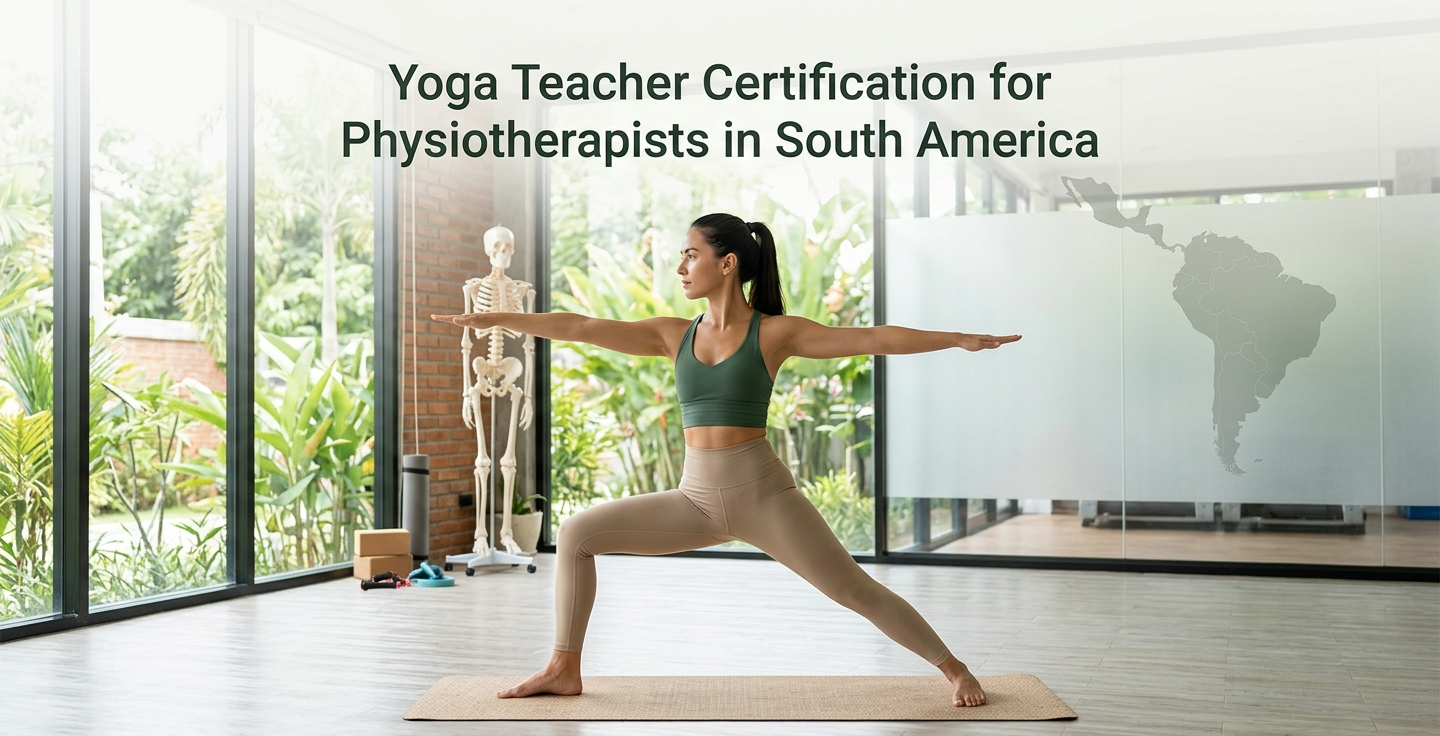
Physiotherapists have a strong basis in human anatomy, movement, rehabilitation, posture correction, and bodily well-being. These capabilities make it easier to discover How Physiotherapists Get Yoga Teacher Certified in South America and develop additional expert skills. As yoga continues to gain popularity in the region, healthcare professionals are increasingly interested in combining their medical expertise with conventional yoga practices to guide physical and mental well-being.
South America offers numerous possibilities to find yoga education through education programmes, yoga studios, well-being centres, and international certification organizations. Countries that include Brazil, Argentina, Chile, Colombia, and Peru have growing yoga companies. However, becoming a certified yoga instructor calls for more than an understanding of physical bodily video games.
Physiotherapists have to take a look at yoga philosophy, asanas, pranayama, meditation, and training methods. Choosing the right certification programme can assist them in increasing their expertise and finding new professional opportunities within the yoga and wellness industry.
Why Should Physiotherapists Consider Yoga Teacher Certification in South America?
Physiotherapy is a speciality focused on enhancing movement, managing physical barriers, supporting rehabilitation, and helping people maintain better physical function. Yoga moreover works with movement, posture, flexibility, respiration, balance, and body awareness. Although these disciplines have wonderful foundations and functions, they have numerous areas of practical interest. Physiotherapists who take a look at yoga can increase their broader knowledge of movement-based wellness and introduce suitable yoga practices within their professional scope.
South America gives opportunities to explore yoga education in unique cultural and expert environments. Yoga organizations in Brazil, Argentina, Chile, Peru, and high-quality international places provide exposure to several yoga styles and teaching methods. Physiotherapists can learn from professional instructors, take part in workshops, and connect with people interested in holistic health. This experience can assist them in understanding how yoga is practised and taught in amazing groups.
Professional Reasons to Combine Physiotherapy and Yoga
-
Expand Professional Knowledge: Yoga teacher training introduces physiotherapists to conventional yoga ideas, asanas, pranayama, meditation, and relaxation techniques.
-
Develop Movement Awareness: Learning yoga improves understanding of balance, flexibility, coordination, posture, and managed movement.
-
Explore New Career Opportunities: An acknowledged yoga certification can assist physiotherapists in finding training opportunities in yoga studios, wellness centres, health centres, and retreats.
-
Support Holistic Wellness: Yoga training presents a far wider mindset on the connection among physical activity, respiratory health, mindfulness, and mental rest.
-
Reach Different Audiences: Certified physiotherapists with appropriate education and skills may work with beginners, older adults, fitness lovers, and people interested in holistic health.
-
Build a Professional Identity: Combining physiotherapy qualifications with yoga instructor certification can help specialists amplify a considered one-of-a-kind profile in the fitness and health industry.
Take the Next Step in Your Yoga Journey with YAI South America
Whether you are a yoga teacher looking for professional certification or a yoga school seeking certification, YAI provides opportunities to support your professional journey and recognition. Choose the relevant application below to get started.
School: https://form.jotform.com/250402319636452
Teacher: https://form.jotform.com/250700797178464
What Qualifications Do Physiotherapists Need to Become Certified Yoga Teachers in South America?
Physiotherapists commonly have an academic advantage when entering yoga teacher education because their academic records consist of subjects such as anatomy, body shape, biomechanics, kinesiology, and human movement. However, having a physiotherapy degree does not automatically qualify someone to train yoga professionally. Yoga instructor certification programmes have their own admission requirements, learning objectives, sensible checks, and completion standards.
The eligibility standards rely upon the yoga certification organisation and the unique training programme. Some programmes target novices who have a true interest in yoga, while others expect candidates to have regular personal exercise. Physiotherapists must assess the programme curriculum, minimum age requirements, attendance expectations, reasonable training hours, and evaluation methods before enrolling. They also want to verify whether their gift healthcare qualifications can be considered whilst making use of them for admission.
Common Eligibility Requirements for Physiotherapists
1. Educational Background
An acknowledged physiotherapy qualification offers beneficial knowledge of the human body, movement styles, and physical fitness. Most widespread yoga trainer training programmes no longer require applicants to hold a scientific or physiotherapy diploma.
2. Previous Yoga Experience
Some training organizations endorse everyday yoga exercise before admission. Although previous experience won’t commonly be obligatory, familiarity with key yoga postures and breathing exercises should make the learning process less complicated.
3. Basic Physical Readiness
Applicants should be consistently taking part in practical yoga sessions, including basic postures, seated positions, stability exercises, and guided movements. Physical readiness does not imply that each student ought to be surprisingly flexible.
4. Interest in Yoga Philosophy
Yoga teacher training includes theoretical subjects beyond physical postures. Students should be inquisitive about getting to know yoga traditions, ethical thoughts, meditation, and the broader cause of yoga.
5. Commitment to Training Hours
Students should be organized to finish the specified theoretical education, practical skills, training assignments, and assessments. Attendance and participation requirements vary among certification agencies.
6. Language and Communication Skills
Training may be in English, Spanish, or Portuguese, depending on the institution. Physiotherapists ought to pick a programme in a language they may be able to understand without problems and use with a bit of luck while talking with future university students.
How Can Physiotherapists Choose the Right Yoga Teacher Training Programme?
Choosing the appropriate yoga trainer training programme is one of the most critical steps in understanding how physiotherapists get yoga teacher certified in South America. Not every path offers the identical curriculum, educational level, certification format, or professional opportunities. Physiotherapists want to choose study programmes cautiously as an alternative to choosing one only because it’s low-cost or available in a reachable region.
A suitable programme needs to provide a balanced combination of practical yoga education and theoretical education. The curriculum wants to cover asanas, pranayama, meditation, anatomy, frame shape, teaching approach, yoga philosophy, and lecture room control. Physiotherapists may already understand numerous anatomy-related topics; however, they need to examine how those concepts apply to yoga practice and guidance.
Important Factors to Evaluate Before Enrolment
-
Curriculum Quality: Review whether or not the path consists of conventional yoga standards, advanced asana practices, respiratory carrying occasions, meditation, and education methodology.
-
Certification Standards: Check the organisation issuing the certificate and understand its recognition, registration, and verification methods.
-
Practical Teaching Experience: Choose a programme that includes supervised coaching exercises, feedback, lesson planning, and opportunities to practice teaching.
-
Experienced Instructors: Research the trainers’ yoga training, teaching experience, professional history, and knowledge of anatomy and regular movement.
-
Training Format: Compare residential, in-person, hybrid, and online options. Consider your expert obligations, timetable, and capability to attend at realistic intervals.
-
Post-Certification Opportunities: Review whether or not the company offers advanced training, continuing education, instructor improvement, or professional networking opportunities.
What Are the Main Yoga Teacher Certification Levels Available to Physiotherapists?
Yoga instructor certification is available at different instructional levels, permitting students to improve in keeping with their knowledge, training level, and professional goals. Physiotherapists who need to enter the yoga commercial enterprise can begin with foundational education and step by step explore advanced certification. Understanding these levels lets healthcare professionals select the proper study pathway without enrolling in a programme that does not align with their goals.
The maximum typically discussed education tiers embody 200-hour, 300-hour, and 500-hour yoga teacher education. The right form and popularity depend on the certification organization. Some companies provide the ones as separate programmes, at the same time as others provide an included pathway. Physiotherapists must understand the course requirements and determine whether or not completing a selected diploma permits them to use it for the intended certification.
Common Yoga Certification Levels
1. 200-Hour Yoga Teacher Certification (CYT 200)
The 200-hour programme generally gives foundational education in yoga philosophy, asanas, pranayama, meditation, anatomy, and training approach. It is suitable for physiotherapists who want to increase their understanding of yoga and discover ways to conduct amateur-stage training. Students usually participate in practical training, theoretical classes, and training assessments.
2. 300-Hour Advanced Yoga Teacher Certification (CYT 300)
The three hundred-hour programme offers similar education for people who’ve finished the preferred foundational training. It can also cover advanced asanas, sequencing, yoga philosophy, training techniques, and specialised methods of exercise. Physiotherapists interested in growing their yoga teaching careers can consider this stage after meeting the company’s eligibility requirements.
3. 500-Hour Yoga Teacher Certification (CYT 500)
A 500-hour certification pathway gives extra terrific yoga education through combining foundational and advanced knowledge. Depending on the employer, it could be completed by a protected course or separate training tiers. It can be suitable for experts who want a deeper academic foundation and long-term involvement in yoga coaching.
4. Specialised Yoga Education
After finishing foundational instructor schooling, physiotherapists may additionally explore extra subjects, which include restorative yoga, chair yoga, prenatal yoga, healing yoga training, or yoga for older adults. Specialised training needs to be decided regularly based on the scholar’s qualifications, the programme’s requirements, and applicable professional regulations.
How Can Physiotherapists Apply Their Anatomy Knowledge During Yoga Teacher Training?
Physiotherapists already recognize how muscle groups, joints, bones, ligaments, and the nervous system contribute to human motion. These statistics can be useful throughout yoga teacher training because, in reality, students learn how unique postures influence body alignment, balance, mobility, and muscular engagement. However, yoga training furthermore calls for knowing the specific motive, approach, and conventional context of every posture.
For example, a physiotherapist may additionally understand how the hip joint movements and the way surrounding muscle groups contribute to stability. During yoga training, they may discover how popular postures, seated positions, and balancing asanas involve the same motion styles. They additionally discover ways to look at alignment, offer clear instructions, and recognize even when a student wishes an amendment. This combination of existing knowledge and new coaching skills can make the learning experience valuable.
Areas Where Physiotherapy Knowledge Can Support Yoga Education
-
Functional Anatomy: Knowledge of muscle tissue, joints, and motion patterns permits physiotherapists to understand how wonderful frame elements participate in yoga postures.
-
Biomechanics: Existing expertise in biomechanics can help students understand balance, weight distribution, joint positioning, and movement manipulation throughout yoga exercises.
-
Posture and Alignment: Physiotherapists are familiar with postural evaluation. Yoga training introduces techniques for explaining posture and alignment within the context of male or female asana exercises.
-
Flexibility and Mobility: Knowledge of muscle period, joint mobility, and motion policies can assist physiotherapists in recognizing the variations between flexibility and practical mobility.
-
Breathing and Relaxation: Physiotherapists can expand their knowledge of breathing styles via pranayama, breath awareness, and relaxation practices.
-
Movement Modifications: Their prior training can assist them to understand why positive yoga postures may additionally require modifications.
What Subjects Are Included in Yoga Teacher Training for Physiotherapists?
Yoga instructor training gives a broader educational experience than studying a set of physical postures. Physiotherapists have to understand how to teach yoga, provide an explanation for its standards, guide college students, and create suitable yoga sequences. The curriculum generally combines conventional yoga topics with present-day academic subjects, which incorporate anatomy, frame structure, teaching methodology, and stable movement practices.
The course structure differs among certification companies; however, most foundational programmes embody practical and theoretical training. Physiotherapists want to evaluate the syllabus before enrolment to understand how much time is allotted to practical training, independent exams, and supervised training. A complete curriculum can assist them in building self-assurance as future yoga instructors.
Core Subjects Covered in Yoga Teacher Certification
1. Yoga Asanas
Students look at one-of-a-kind classes of yoga postures, alongside standing, seated, balancing, forward-bending, and twisting asanas. They have to observe accurate techniques, alignment standards, posture variations, and adjustments for different levels.
2. Pranayama and Breathing Techniques
Pranayama introduces students to conventional yogic breathing practices. Training can also include breath control, controlled breathing, and strategies used to assist relaxation and concentration.
3. Yoga Philosophy
This chapter explores the conventional foundations of yoga, including its facts, philosophical thoughts, moral thoughts, and broader approach to personal development. It permits students to recognize yoga beyond physical exercise.
4. Anatomy and Physiology
Students discover how the musculoskeletal, respiratory, and other involved structures relate to yoga exercise. Physiotherapists can also find a few topics familiar, but the direction connects this know-how with the practical necessities of teaching yoga.
5. Meditation and Mindfulness
Meditation training introduces strategies for developing interest, focus, and mental calmness. Students discover ways to guide simple meditation and rest training.
6. Teaching Methodology
This assignment develops the practical competencies required to teach yoga instruction. Students observe verbal instruction, sequencing, creating plans, peer discussion, demonstration, and appropriate feedback.
Can Physiotherapists Complete Yoga Teacher Certification Online or Through In-Person Training?
Physiotherapists in South America can discover one-of-a-kind education formats depending on their area, professional schedule, and learning options. Online yoga instructor training can also provide flexibility for folks who can’t attend residential programmes. In-person training offers direct interaction with instructors, practical demonstrations, hands-on practice, and instant feedback. Hybrid programmes integrate factors of each mode.
The most suitable layout depends on the certification requirements and the student’s specific objectives. Physiotherapists ought not to expect that each online course affords the same educational value as an in-person programme. They need to check whether or not realistic training exams are protected, how teachers evaluate university students, and whether or not the certificate meets their intended professional needs.
How Can Physiotherapists Get Certified Through Yoga Training Organisations in South America?
Physiotherapists interested in how to get yoga teacher certified in South America want to research certification businesses that offer established yoga schooling and clearly described assessment techniques. They can explore nearby yoga schools, international certification companies, and establishments offering online or hybrid programmes. The most important interest is not in the area of the direction but in the quality of schooling and the credibility of the corporation issuing the certificates.
South America includes several worldwide locations with energetic yoga agencies and proper training opportunities. Brazil has a growing yoga lifestyle, while Argentina and Chile provide opportunities to connect with yoga practitioners and instructors. Colombia, Peru, Ecuador, and Bolivia moreover offer extremely good environments for exploring yoga workouts and training. Availability, course language, fees, and certification requirements can vary among towns and education providers.
Steps to Find and Join a Suitable Certification Organisation
1. Research Certification Providers
Search for international yoga education institutions and training schools that offer recognized certification pathways. Review their first-rate websites, curriculum details, trainer profiles, and scholar records before you decide.
2. Compare Certification Programmes
Compare the CYT 200, CYT 300, and CYT 500 programmes in step with your level and career dreams. Check whether or not the schooling is appropriate for beginners or calls for previous yoga teacher certification.
3. Verify Certification Recognition
Ask which business enterprise troubles the certificate and whether or not the programme follows its posted academic requirements. If you plan to train abroad, study the requirements of your chosen destination to ensure it is widely recognized.
4. Understand Admission and Course Fees
Request all records approximately eligibility, registration expenses, education expenses, substance use, sensible schooling, and examination requirements. Confirm whether or not lodging and food are included in residential programmes.
5. Complete the Required Training
Attend theoretical and practical instruction, learn the prescribed strategies, complete assignments, and take part in training periods. Consistent participation is important for developing self-assurance and academic capability.
6. Complete Assessments and Receive Certification
Most programmes require students to demonstrate their skills through written papers, practical tests, practical demonstrations, or attendance-based requirements. Once all conditions are fulfilled, eligible college students obtain their yoga teacher certification.
What Career Opportunities Are Available After Physiotherapists Get Yoga Teacher Certified in South America?
Yoga teacher certification can create greater professional opportunities for physiotherapists who want to enter the health and wellness industries. After completing suitable training, they may pursue coaching fashionable yoga training, working with wellness businesses, undertaking corporate training, or developing independent yoga training services. Their physiotherapy records can also help them communicate more effectively with university students who are interested in movement, posture, and bodily well-being.
However, yoga certification does not replace a physiotherapy licence or mechanically grant permission to provide scientific treatment. Physiotherapists want to understand the expert pointers applicable in their field and distinguish between yoga steerage and scientific healthcare services. Their schooling activities want to live within the scope of their qualifications, greater schooling, and crook permissions.
Professional Opportunities After Yoga Teacher Certification
-
Yoga Studio Instructor: Certified yoga teachers can apply for suitable training positions at yoga studios. They can also teach beginners, advanced, or other training in line with their qualifications and interests.
-
Wellness Centre Professional: Wellness centres may also provide opportunities to teach yoga, breathing exercises, and rest classes as part of their outstanding fitness programmes.
-
Corporate Yoga Instructor: Organisations once in a while set up yoga intervals to inspire movement, relaxation, and workers’ well-being.
-
Independent Yoga Teacher: After gaining enough training experience, specialists may additionally provide private training, small group sessions, or online yoga training.
-
Yoga Retreat Instructor: Retreat centres may moreover invite qualified yoga instructors to deliver education and workshops for people. Opportunities rely on enjoyment, educational value, and the retreat’s needs.
-
Specialised Yoga Educator: With more training and appropriate qualifications, physiotherapists can discover areas such as restorative yoga, chair yoga, and yoga for older adults.
How Yoga Certification Can Support Physiotherapists Working Internationally
South America attracts worldwide visitors, well-being experts, yoga practitioners, and people interested in holistic education. Physiotherapists who obtain suitable yoga teacher certification can also discover opportunities to participate in global workshops, retreats, and yoga companies. Their blended educational background can help them build an expert profile that combines healthcare records and yoga education skills.
However, worldwide training possibilities depend upon several elements, together with certification recognition, language expertise, local guidelines, work permissions, and employer requirements. Certificates issued by a reputable international organization do not routinely provide a visa or work permit for studying abroad. Professionals want to analyze the tips of their intended destination earlier than accepting employment or offering paid commands.
Ways to Prepare for International Yoga Teaching
-
Build a Professional Portfolio: Maintain information on your physiotherapy, yoga training certification, extra workshops, training you enjoy, and professional achievements.
-
Improve Language Skills: English, Spanish, and Portuguese can be beneficial, especially in America and with the scholars you need to train.
-
Gain Practical Experience: Start with supervised coaching opportunities, community commands, or beginner-level training where allowed.
-
Continue Professional Education: Explore advanced yoga certification and specialised publications to boost your know-how.
-
Understand Local Regulations: Research the legal requirements for teaching yoga and providing physiotherapy services in your chosen U.S.A.
Get your internationally recognized yoga certification with authentic yoga standards in South America.
Conclusion
Understanding How Physiotherapists Get Yoga Teacher Certified in South America can assist healthcare specialists in planning a modern-day educational and expert pathway. Their modern expertise in anatomy, biomechanics, posture, and movement provides a valuable basis for reading yoga, but professional certification calls for dedicated education in yoga philosophy, asanas, pranayama, meditation, and teaching technique.
By selecting a suitable certification programme, completing the required practical and theoretical training, and developing training experience, physiotherapists can find opportunities in yoga studios, health centres, retreats, and independent training. Whether they start with CYT 200 or work towards a higher certification, the proper academic pathway can help them combine their healthcare ancient past with a deeper understanding of yoga and holistic fitness.
Explore Our Recent Blogs
-
How to Get Yoga Teacher Certification in Montevideo, Uruguay
-
How to Get Yoga Certification as a Personal Trainer in South America
Frequently Asked Questions
1. Can a physiotherapist become a certified yoga teacher without previous yoga teaching experience?
Yes. Many foundational yoga teacher education programmes accept applicants without previous yoga teaching experience. However, a few courses require prior private yoga practice before enrolment. Physiotherapists ought to check the admission requirements of their chosen certification agency.
2. Is a physiotherapy degree enough to become a yoga teacher in South America?
A physiotherapy degree offers beneficial knowledge of anatomy, frame structure, and body motion, but it does not automatically qualify someone to train yoga. Applicants usually need to complete an appropriate yoga instructor training programme and fulfil its certification requirements. They also want to study the guidelines governing professional yoga training.
3. Which yoga certification is best for physiotherapists?
A 200-hour yoga instructor certification (CYT 200) is an appropriate area to begin for lots of physiotherapists who want foundational yoga schooling. Those interested in superior education can also consider a CYT 300 or the ideal 500-hour pathway after meeting the desired eligibility requirements. The amazing opportunity relies upon previous yoga experience, professional desires, and the requirements of the certification provider.
4. Can physiotherapists teach yoga after completing an online certification?
Yes, if the certification programme is appropriate for the intended career and relevant to community needs, it is allowed. However, physiotherapists should pick out courses that encompass adequate, realistic schooling, education tests, and teacher feedback. They should confirm whether or not the online programme meets the requirements set by their chosen certification provider.
5. Can physiotherapists combine yoga teaching with their existing healthcare careers?
Yes. Physiotherapists can also integrate appropriate yoga training and sports activities with their current professional careers, provided they meet applicable certification and regulatory requirements. They can discover opportunities at yoga studios, wellness centres, and health centres at the same time as continuing their physiotherapy work. They ought to maintain clear professional boundaries between yoga instruction and medical treatment.
6. Is international yoga teacher certification valid in every South American country?
Not necessarily. International certification can also help monitor completed yoga training; however, its validity is predicated on the commercial enterprise organisation issuing the certificates and the requirements of the country where someone intends to train. Physiotherapists want to verify local regulations, commercial enterprise expectations, and any additional registration requirements before starting professional training.