
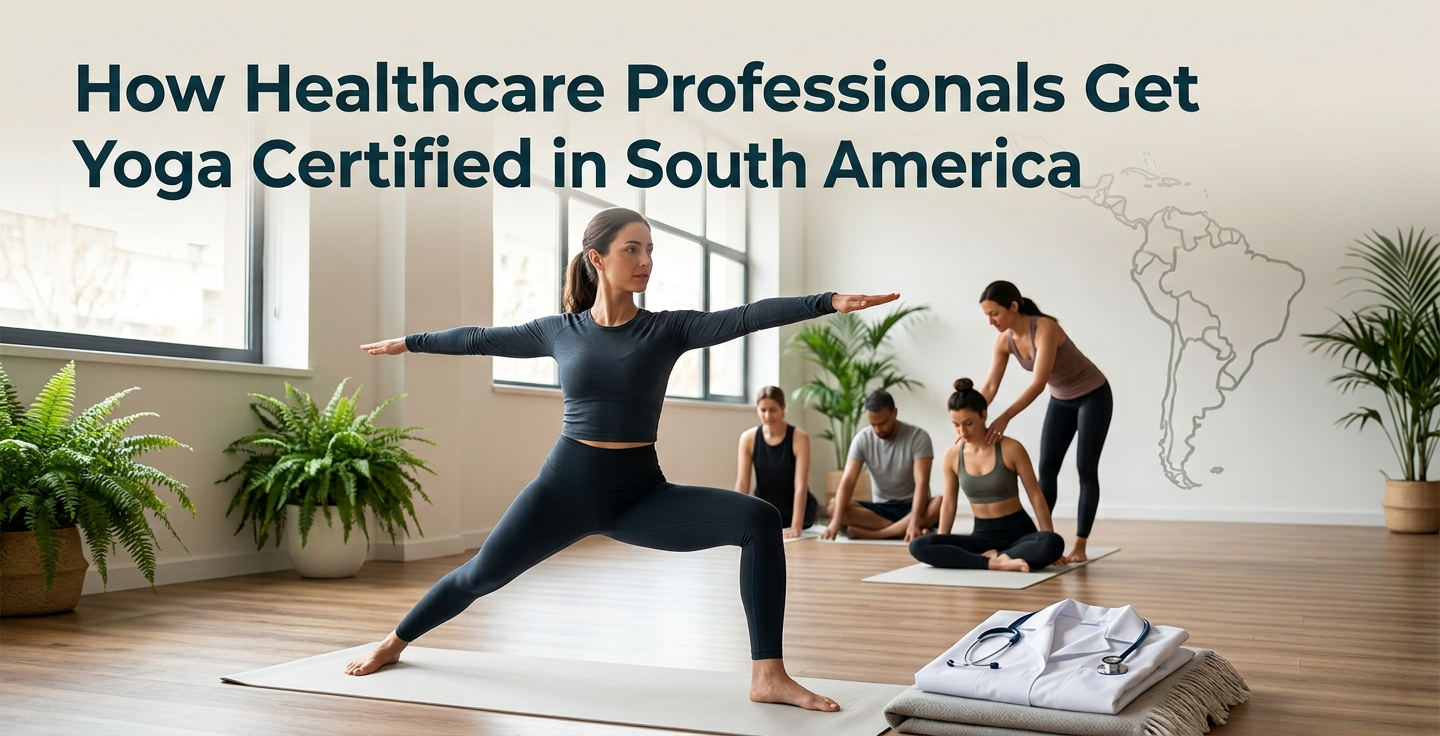
Healthcare professionals have a strong foundation in anatomy, physiology, body movement, rehabilitation, and patient care. As yoga gains popularity across South America, many doctors, nurses, physiotherapists, and occupational therapists are exploring new opportunities in wellness education. Understanding How Healthcare Professionals Get Yoga Certified in South America can help them combine their existing knowledge with traditional yoga practices.
Obtaining a recognised yoga certification allows healthcare practitioners to develop teaching skills and learn asanas, pranayama, meditation, yoga philosophy, and teaching methodology. Although medical qualifications provide a useful foundation, specialised yoga training is essential for becoming a professional instructor.
Countries such as Brazil, Argentina, Chile, Colombia, Peru, and Ecuador offer opportunities to explore yoga education and connect with growing wellness communities. With suitable certification and practical teaching experience, healthcare professionals can expand their career options and explore opportunities in yoga studios, wellness retreats, and independent yoga teaching.
Why Should Healthcare Professionals Consider Yoga Teacher Certification in South America?
Healthcare professionals regularly work with individuals who want to improve their physical health, manage stress, develop mobility, and maintain a balanced lifestyle. Yoga addresses several of these wellness goals through physical postures, breathing techniques, meditation, and relaxation practices. By studying yoga professionally, healthcare practitioners can develop additional skills that complement their existing knowledge of human health and well-being.
Yoga teacher certification also provides an opportunity to explore a different professional direction. Doctors, nurses, physiotherapists, and other healthcare workers may consider teaching yoga alongside their existing careers or transitioning towards wellness education. South America's developing yoga communities offer opportunities to connect with practitioners, participate in training programmes, and understand how yoga is practised across different cultural environments.
How Does Yoga Complement Existing Healthcare Knowledge?
-
Improved Understanding of Body Movement: Yoga training develops knowledge of alignment, flexibility, balance, and controlled movement..
-
Breathing and Relaxation Techniques: Pranayama introduces controlled breathing methods that can support relaxation and body awareness.
-
Holistic Wellness Knowledge: Yoga explores the relationship between physical, mental, and emotional well-being. This perspective can broaden a healthcare professional's understanding of wellness beyond conventional clinical approaches.
-
Better Movement Awareness: Studying yoga postures helps practitioners understand body positioning, stability, and movement coordination.
-
Professional Skill Development: Yoga teacher training introduces communication, demonstration, class planning, and teaching techniques.
-
Personal Development: Regular yoga practice encourages discipline, concentration, and self-awareness. Healthcare professionals can also use their training to develop a consistent personal wellness routine.
Take the Next Step in Your Yoga Journey with YAI South America
Whether you are a yoga teacher looking for professional certification or a yoga school seeking certification, YAI provides opportunities to support your professional journey and recognition. Choose the relevant application below to get started.
School: https://form.jotform.com/250402319636452
Teacher: https://form.jotform.com/250700797178464
What Qualifications Do Healthcare Professionals Need to Become Certified Yoga Teachers in South America?
One of the most common questions about how Healthcare Professionals Get Yoga Certified in South America concerns eligibility. In most general yoga teacher training programmes, applicants do not need to hold a medical degree, nursing qualification, or healthcare licence. However, healthcare professionals who already have relevant academic or professional experience may find certain parts of the training easier to understand.
The specific admission requirements depend on the yoga school, certification provider, and training level. Some programmes welcome beginners, while others prefer applicants with regular yoga practice or previous experience. Before enrolling, healthcare professionals should review the eligibility criteria, course curriculum, attendance requirements, practical assessments, and certification standards.
Common Eligibility Requirements for Yoga Teacher Training
-
Educational Background: Most introductory yoga teacher training programmes require applicants to have a basic educational background.
-
Personal Yoga Practice: Some schools recommend regular yoga practice before admission. This helps students become familiar with common postures, breathing exercises, and basic yoga principles.
-
Minimum Age: Training providers may establish a minimum age for admission, often 18 years. Applicants should check the programme's specific age requirements before applying.
-
Physical Readiness: Training providers may ask applicants to disclose relevant physical limitations so appropriate arrangements can be considered.
-
Language Proficiency: Depending on the location, courses may be delivered in Spanish, Portuguese, or English. International students should confirm that they can understand the language used during instruction.
-
Commitment to Training: Yoga teacher certification requires consistent participation in theoretical and practical sessions. Applicants should be prepared to complete the prescribed training hours and assessments.
Which Yoga Certification Course Is Best for Healthcare Professionals in South America?
Choosing the right yoga certification course is an important step for healthcare professionals who want to enter the yoga education field. The best programme depends on individual career goals, previous yoga experience, preferred teaching style, and available study time. Some healthcare practitioners may want to develop a basic understanding of yoga, while others may wish to become professional instructors and teach different groups of students.
A structured yoga teacher training programme should provide a balanced combination of theoretical knowledge and practical instruction. Healthcare professionals may particularly benefit from courses that include anatomy, physiology, alignment, modifications, injury awareness, and teaching methodology. However, traditional yoga subjects such as philosophy, meditation, and pranayama are equally important for developing a well-rounded teaching approach.
Popular Yoga Certification Levels to Consider
-
CYT 200 Certification: A 200-hour yoga teacher training programme introduces the essential principles of professional yoga teaching. It generally covers asanas, pranayama, meditation, anatomy, yoga philosophy, and teaching methodology.
-
CYT 300 Certification: A 300-hour programme provides more advanced knowledge for individuals who have completed foundational yoga teacher training.
-
CYT 500 Certification: A 500-hour certification pathway combines foundational and advanced yoga education. It provides extensive training for individuals interested in developing a broader professional yoga teaching background.
-
Hatha Yoga Training: Hatha yoga introduces traditional postures, breathing practices, and relaxation techniques. Healthcare professionals interested in learning foundational yoga principles may find this style useful.
-
Vinyasa Yoga Training: Vinyasa yoga focuses on coordinated movement and breathing. It can help healthcare professionals understand dynamic sequencing, transitions, and movement-based yoga classes.
-
Restorative Yoga Training: Restorative yoga emphasises relaxation, supported postures, and comfortable positioning. It can be an interesting additional area of study for healthcare professionals interested in gentle yoga practices.
How Can Healthcare Professionals Choose a Recognised Yoga Certification Provider?
Selecting a suitable certification provider is one of the most important decisions when learning how Healthcare Professionals Get Yoga Certified in South America. Not every yoga course follows the same curriculum, training structure, or assessment standards. Some programmes focus mainly on personal yoga practice, while professional teacher training includes structured lessons, practical demonstrations, teaching assessments, and theoretical examinations.
Healthcare professionals should investigate the organisation offering the certificate and understand what the qualification represents. They should check whether the certification is recognised by the relevant yoga organisation, whether the programme follows clearly defined training standards, and whether the certificate supports their intended teaching goals. It is also important to understand that a yoga certification does not replace professional healthcare registration or provide permission to practise regulated medical activities.
Important Factors to Evaluate Before Enrolling
-
Certification Authority: Research the organisation issuing the certificate and review its certification standards. Confirm what the qualification means and whether it is accepted by the yoga schools or professional networks where you intend to teach.
-
Detailed Course Curriculum: Select a programme that covers asanas, pranayama, meditation, anatomy, physiology, yoga philosophy, and teaching methodology.
-
Qualified Yoga Trainers: Experienced trainers can provide useful guidance on alignment, class management, sequencing, and traditional yoga practices.
-
Practical Teaching Hours: Professional yoga training helps students develop communication skills, demonstrate postures, and manage different class situations.
-
Learning Flexibility: Compare online, in-person, and hybrid programmes to identify a training structure that suits your professional commitments.
-
Certification Verification: Ask how the certificate can be verified and whether the organisation maintains a record of certified students.
What Subjects Are Covered in Yoga Teacher Training for Healthcare Professionals?
A comprehensive yoga teacher training programme introduces students to different aspects of yoga, including physical practice, breathing, meditation, philosophy, and teaching techniques. Healthcare professionals may already understand certain anatomical and physiological concepts, but yoga education introduces a different approach to studying the body through movement, awareness, and traditional practices.
Understanding the complete curriculum is important because becoming a yoga teacher involves more than demonstrating physical postures. Teachers must learn how to explain techniques, plan suitable sessions, communicate with students, and maintain a supportive learning environment. A structured programme helps healthcare professionals develop these abilities while building on their existing knowledge.
Core Subjects Included in Professional Yoga Education
-
Yoga Asanas: Students learn traditional yoga postures, their alignment, variations, and appropriate modifications. Healthcare professionals can build on their existing understanding of joints, muscles, posture, and body movement.
-
Human Anatomy and Physiology: This subject explores the structure and functions of the human body in relation to yoga practice. It includes muscles, bones, joints, the respiratory system, and movement patterns.
-
Pranayama: Students learn different breathing techniques and understand their traditional role in yoga practice. Training also explores appropriate instruction, breathing awareness, and the importance of avoiding forced breathing.
-
Yoga Philosophy: This subject introduces traditional yoga principles, ethical guidelines, and the philosophical foundations of yoga. It helps students understand yoga as a broader discipline rather than only a physical activity.
-
Meditation and Mindfulness: Students explore meditation techniques that encourage concentration, awareness, and relaxation. These practices can help future teachers understand how to guide students through meditation sessions.
-
Teaching Methodology: This area focuses on lesson planning, sequencing, verbal instructions, demonstrations, and classroom management. It prepares students to organise and conduct structured yoga sessions.
-
Alignment and Modifications: Students learn how to explain posture alignment and introduce appropriate variations. This knowledge is important when teaching people with different experience levels and physical abilities.
-
Practical Teaching Assessments: Many programmes include supervised teaching sessions and practical examinations. These activities allow students to demonstrate their understanding and receive feedback from experienced instructors.
How Long Does It Take Healthcare Professionals to Complete Yoga Teacher Certification in South America?
The duration of yoga teacher certification depends on the course level, training format, and educational requirements of the certification provider. A foundational 200-hour yoga teacher training programme may be offered through an intensive residential course or a flexible schedule spread across several months. Healthcare professionals should consider their working hours and personal responsibilities before choosing a training format.
Advanced certifications generally require additional study and practical experience. A 300-hour programme usually follows foundational teacher training, while a 500-hour pathway combines foundational and advanced education according to the provider's structure. Students should always confirm the total required hours and completion criteria rather than assuming that every programme follows the same schedule.
Common Training Formats and Their Duration
-
Intensive Residential Training: These programmes organise theoretical lessons and practical sessions over a concentrated period. They may suit healthcare professionals who can take time away from their regular work responsibilities.
-
Weekend Training: Weekend programmes divide lessons into shorter sessions over an extended period. This option may be suitable for doctors, nurses, and therapists who work during weekdays.
-
Part-Time Training: Part-time courses allow students to complete their training through scheduled classes over several months. They can provide greater flexibility for professionals with demanding schedules.
-
Online Yoga Teacher Training: Online programmes offer theoretical lessons and guided learning through digital platforms. Students should check whether the certification provider requires additional supervised practical training.
-
Hybrid Training: Hybrid programmes combine online education with in-person practical sessions. This structure can provide flexibility while allowing students to develop practical teaching skills.
-
Advanced Certification: Advanced programmes require further study after foundational training. Their duration depends on the required hours, course structure, and practical assessment standards.
How Can Healthcare Professionals Use Yoga Certification to Build a Career in South America?
Obtaining a yoga teacher certification can create opportunities for healthcare professionals who want to expand their careers into wellness education and professional yoga teaching. South America has diverse wellness communities, and individuals may explore opportunities through yoga studios, fitness centres, wellness retreats, educational institutions, and independent teaching practices. However, available opportunities differ between countries and local markets.
Healthcare professionals can use their previous experience to develop a distinctive teaching approach, provided they maintain clear professional boundaries. For example, physiotherapists may have a strong understanding of movement and rehabilitation, while nurses may bring experience in patient communication and health education. These backgrounds can support their development as yoga teachers, but a yoga qualification alone does not authorise anyone to diagnose medical conditions or provide regulated healthcare services.
Career Opportunities After Completing Yoga Teacher Training
-
Yoga Studio Instructor: Certified teachers can apply for teaching opportunities at yoga studios. They may conduct beginner, intermediate, or specialised classes depending on their training and experience.
-
Corporate Yoga Instructor: Organisations sometimes arrange wellness activities for employees. Yoga teachers may conduct sessions focused on movement awareness, relaxation, and general physical activity.
-
Wellness Retreat Instructor: South America has destinations where wellness tourism and yoga retreats are part of the travel experience. Certified instructors can explore opportunities to teach at suitable retreats.
-
Private Yoga Instructor: Teachers can offer individual or small-group sessions based on their qualifications and teaching experience. This approach allows them to develop personalised lesson structures within their professional scope.
-
Online Yoga Educator: Certified yoga teachers can develop online classes, educational videos, and virtual training sessions. Digital platforms can help them connect with students beyond their immediate location.
-
Yoga and Healthcare Education: Professionals can explore educational collaborations with wellness organisations and healthcare institutions where appropriate.
Can Healthcare Professionals Teach Specialised Yoga Classes After Certification?
Healthcare professionals may be interested in teaching yoga to particular groups because of their previous professional experience. However, specialised yoga teaching requires additional knowledge, appropriate training, and an understanding of the limitations of a general yoga teacher qualification. A foundational yoga certification provides essential teaching skills, but it does not automatically qualify someone to teach therapeutic yoga or manage medical conditions through yoga.
For example, a physiotherapist may understand movement patterns and musculoskeletal function, while a nurse may have experience communicating with individuals from different backgrounds. These skills can support the development of suitable yoga classes. Nevertheless, instructors must work within their professional qualifications, avoid making unsupported medical claims, and refer students to qualified healthcare providers whenever necessary.
Specialised Areas Healthcare Professionals May Explore
-
Gentle Yoga: This style uses accessible movements and comfortable postures. Additional training can help teachers understand how to introduce suitable variations for different experience levels.
-
Chair Yoga: Chair yoga uses a chair to support selected postures and movements. It may be useful when teaching individuals who prefer supported movement or have limited mobility.
-
Prenatal Yoga: Prenatal yoga requires specialised education about pregnancy-related changes, safe modifications, and relevant contraindications.
-
Yoga for Older Adults: This area focuses on accessible postures, balance awareness, flexibility, and movement adaptations. Teachers should understand age-related considerations and appropriate class planning.
-
Restorative Yoga: Restorative yoga uses supportive props and longer-held comfortable positions. Further training can help instructors understand relaxation-based sequencing and the use of props.
-
Stress Management and Relaxation: Yoga teachers can study breathing awareness, meditation, and relaxation techniques. These practices may form part of general wellness education.
Get your internationally recognized yoga certification with authentic yoga standards in South America.
Conclusion
Understanding how Healthcare Professionals Get Yoga Certified in South America helps doctors, nurses, and physiotherapists explore new career opportunities. Their knowledge of anatomy, physiology, and patient care provides a useful foundation for learning yoga. However, professional yoga teaching requires dedicated training and practical experience.
By choosing a suitable CYT 200, CYT 300, or CYT 500 certification programme, healthcare professionals can develop skills in asanas, pranayama, meditation, yoga philosophy, and teaching methodology. Selecting a recognised certification provider is equally important.
With growing interest in wellness across South America, certified professionals can explore opportunities in yoga studios, private classes, and wellness retreats. The right certification can help them combine their existing knowledge with traditional yoga practices and build a rewarding yoga teaching career.
Explore Our Recent Blogs
-
How to Get Yoga Teacher Certification in Montevideo, Uruguay
-
How to Get Yoga Certification as a Personal Trainer in South America
-
How Physiotherapists Get Yoga Teacher Certified in South America
Frequently Asked Questions
1. Can Doctors and Nurses Become Certified Yoga Teachers in South America?
Yes, doctors and nurses can apply for yoga teacher certification programmes in South America. Most general yoga teacher training courses do not require applicants to hold a specific healthcare qualification. Their existing knowledge of anatomy, physiology, and patient communication may provide a useful foundation for learning yoga teaching methods.
2. Is Previous Yoga Experience Necessary for Healthcare Professionals?
Previous yoga experience is not compulsory for every beginner-level certification programme. However, regular personal practice can help students understand basic postures, breathing exercises, and meditation techniques. Applicants should check the admission requirements of their chosen training provider before enrolling.
3. Which Yoga Certification Is Suitable for Healthcare Professionals?
A CYT 200 certification is generally a suitable starting point for healthcare professionals interested in becoming yoga teachers. It introduces foundational subjects such as asanas, pranayama, yoga philosophy, anatomy, and teaching methodology. After completing foundational training, students can explore CYT 300 or CYT 500 programmes for more advanced education.
4. Can Physiotherapists Teach Yoga After Completing Certification?
Yes, physiotherapists can explore professional yoga teaching after completing an appropriate yoga teacher training programme. Their existing understanding of anatomy, posture, movement, and physical function may support their learning. However, a yoga certification does not automatically qualify them to provide yoga therapy or replace the professional requirements associated with physiotherapy practice.
5. Can Healthcare Professionals Complete Yoga Teacher Training Online?
Some certification providers offer online or hybrid yoga teacher training programmes. These courses may include digital lessons, recorded demonstrations, live instruction, and theoretical assessments. Healthcare professionals should verify whether their chosen programme includes supervised practical teaching and meets the certification standards they require.
6. Can Internationally Certified Yoga Teachers Work in Different South American Countries?
An internationally recognised yoga certification may help teachers demonstrate their educational background when applying for opportunities in different countries. However, certification does not automatically provide a work permit or guarantee professional acceptance everywhere. Teachers should check local employment regulations, language requirements, insurance conditions, and any additional certification expectations before beginning work.