
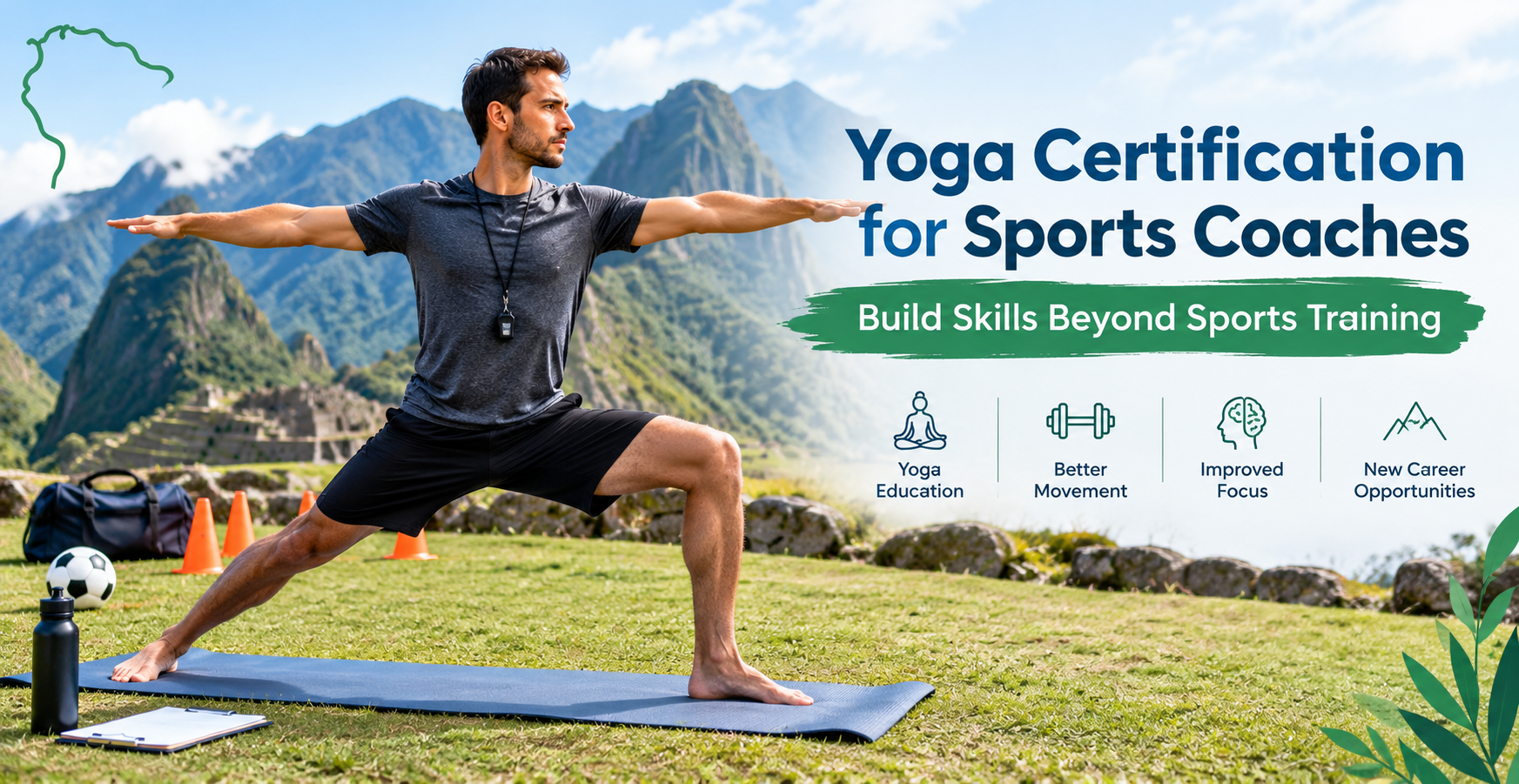
Sports coaching requires a strong understanding of physical fitness, body movement, flexibility, strength, endurance, and athletic performance. How Sports Coaches Get Yoga Certified in South America is an important topic for professionals who want to expand their fitness knowledge and develop additional teaching skills. Yoga combines physical postures, breathing techniques, balance, concentration, and relaxation, making it a valuable addition to traditional sports training.
Across South America, interest in yoga, holistic fitness, and wellness education is creating opportunities for sports professionals to explore yoga teacher certification. Countries such as Brazil, Argentina, Chile, Colombia, and Peru offer different opportunities to explore yoga education.
Through structured yoga teacher training, sports coaches can learn anatomy, yoga philosophy, teaching methodology, and practical techniques. This knowledge can help them complement their existing coaching experience and explore career opportunities in yoga studios, fitness centres, sports academies, and wellness facilities.
Why Should Sports Coaches Consider Yoga Teacher Certification in South America?
Sports coaches already understand the importance of physical conditioning, movement techniques, flexibility, and athletic discipline. However, traditional sports training often focuses on developing strength, speed, stamina, and performance-related skills. Yoga introduces a different approach by combining physical movement with controlled breathing, balance, mindfulness, and relaxation. Learning these techniques can help coaches expand their understanding of fitness and provide more varied training experiences to their students.
Yoga teacher certification in South America can also help sports coaches explore professional opportunities beyond conventional sports coaching. As more people become interested in holistic fitness, yoga classes are becoming an additional option in wellness centres, fitness clubs, and private training environments. Coaches who understand both athletic conditioning and yoga instruction may be able to develop specialised programmes for different fitness levels.
Professional Benefits of Combining Sports Coaching with Yoga
-
Improved Flexibility Training: Yoga includes structured stretching and mobility practices that can help coaches introduce different movement exercises into their training sessions.
-
Better Balance and Coordination: Many yoga postures require controlled movement, stability, and body awareness. Sports coaches can use these concepts to understand how balance-focused exercises may complement athletic training.
-
Breathing and Concentration: Yoga teaches different breathing techniques that encourage controlled breathing and mental focus..
-
Understanding Body Mechanics: Yoga teacher training introduces concepts related to posture, alignment, joint movement, and muscle engagement.
-
Additional Career Opportunities: Yoga certification can allow sports coaches to explore yoga instruction alongside their existing profession.
-
Holistic Fitness Knowledge: Yoga combines physical practice with mental awareness and relaxation. This broader understanding can help coaches develop more balanced fitness programmes.
Take the Next Step in Your Yoga Journey with YAI South America
Whether you are a yoga teacher looking for professional certification or a yoga school seeking certification, YAI provides opportunities to support your professional journey and recognition. Choose the relevant application below to get started.
School: https://form.jotform.com/250402319636452
Teacher: https://form.jotform.com/250700797178464
How Can Sports Coaches Get Yoga Certified in South America?
Sports coaches can get yoga certified in South America by selecting a suitable yoga teacher training programme, completing the required theoretical and practical education, and fulfilling the programme's assessment requirements. The first step is to identify a certification pathway that matches your professional experience, teaching goals, and preferred yoga style. You may choose an in-person programme in your country or explore an online training option that offers flexibility for working professionals.
A structured yoga teacher training programme generally includes yoga postures, breathing exercises, meditation, anatomy, alignment, teaching methodology, and yoga philosophy. These subjects help sports coaches understand how yoga differs from conventional athletic training and how to guide students through structured classes. Although previous coaching experience can be useful, it does not automatically replace the educational requirements of a yoga certification programme. Candidates should complete the required training and assessments before presenting themselves as certified yoga teachers.
Steps to Follow for Yoga Teacher Certification
1. Identify Your Professional Goals
Start by deciding why you want to learn yoga. Some sports coaches want to introduce yoga-based mobility sessions into their existing sports programmes, while others want to become professional yoga instructors. Your career objectives will help you select the appropriate certification level and training format.
2. Choose a Suitable Yoga Teacher Training Programme
Explore programmes that offer comprehensive yoga education and practical teaching experience. Check the curriculum, training duration, certification requirements, instructor qualifications, and assessment methods before enrolling. Choose a programme that provides a structured learning experience rather than focusing only on completing a course.
3. Understand the Different Yoga Styles
Learn about popular yoga styles such as Hatha Yoga, Vinyasa Yoga, Ashtanga Yoga, and Restorative Yoga. Each style has different teaching approaches and physical requirements. Understanding these differences can help sports coaches select training that complements their existing fitness knowledge.
4. Complete Theoretical and Practical Training
Participate in yoga classes, study foundational concepts, practise postures, and learn breathing techniques. Theoretical subjects such as anatomy, physiology, alignment, and yoga philosophy are also important parts of professional yoga education.
5. Develop Your Teaching Skills
Learn how to demonstrate yoga postures, provide clear instructions, observe student movements, and offer appropriate modifications. Teaching methodology helps sports coaches move from personal yoga practice to guiding different students safely.
6. Complete the Certification Assessment
Follow the programme's attendance, practical examination, assignments, and teaching assessment requirements. Once you successfully complete the required training, you can receive the corresponding yoga teacher certification.
Which Yoga Certification Is Best for Sports Coaches in South America?
The best yoga certification for sports coaches depends on their professional experience, fitness knowledge, teaching interests, and long-term career plans. Coaches who are new to yoga education may begin with a foundational 200-hour yoga teacher training programme. Those who already have experience teaching yoga or want to develop more advanced instructional skills can consider additional training levels, depending on the certification provider's requirements.
When exploring yoga certification in South America, it is important to understand the differences between training levels and certification recognition. A 200-hour programme generally introduces the foundations of yoga teaching, while 300-hour and 500-hour pathways offer further education and development. Sports coaches should also consider whether they want to specialise in athletic mobility, flexibility, restorative practices, or general yoga instruction.
Popular Yoga Certification Levels
-
200-Hour Yoga Teacher Certification: This is a common foundational pathway for individuals interested in becoming yoga teachers.
-
300-Hour Yoga Teacher Certification: This level is generally intended for individuals who have completed foundational yoga teacher training and want to deepen their knowledge.
-
500-Hour Yoga Teacher Certification: This pathway combines foundational and advanced yoga education, depending on the programme structure.
-
Specialised Yoga Training: Sports coaches may also explore additional education in restorative yoga, mobility-focused practices, yoga for athletes, and relaxation techniques.
-
Online Yoga Teacher Training: Online programmes can be useful for coaches who have busy schedules or live far from established yoga training centres.
Can Sports Coaches Get Yoga Teacher Certification Without Previous Yoga Experience?
Yes, sports coaches can generally pursue foundational yoga teacher certification without having extensive previous yoga teaching experience. Many entry-level programmes welcome beginners who are interested in learning yoga systematically. However, individual schools and certification providers may have their own eligibility criteria, including minimum age, basic fitness requirements, attendance, or prior practice recommendations.
A background in sports coaching can provide a useful foundation because coaches are already familiar with physical movement, exercise instruction, training schedules, and body mechanics. Nevertheless, yoga requires specific knowledge that is not always included in traditional sports education. Coaches must learn yoga alignment, breathing methods, meditation, class sequencing, and the principles of mindful movement. Developing these skills is important for becoming a responsible yoga instructor.
Important Skills Sports Coaches Should Develop
1. Basic Yoga Postures
Learn foundational yoga asanas and understand their purpose, alignment, and physical requirements. Start with basic standing, seated, balancing, and relaxation postures before progressing towards more demanding movements.
2. Breathing Techniques
Understand pranayama and the importance of controlled breathing in yoga practice. Learn how different breathing exercises are introduced and when they may be appropriate for different students.
3. Yoga Anatomy
Study how muscles, joints, bones, and movement patterns relate to yoga postures. This knowledge can help coaches understand alignment and recognise when a student may need a modification.
4. Meditation and Mindfulness
Sports coaches often focus on physical performance, but yoga also includes mental awareness and relaxation. Learning meditation can help them introduce structured mindfulness practices into appropriate classes.
5. Class Sequencing
Understand how to organise yoga sessions with preparation, warm-up movements, standing postures, seated practices, and relaxation. Proper sequencing helps create a structured and progressive learning experience.
6. Student Communication
Develop the ability to explain postures clearly, demonstrate movements, and offer suitable modifications. Good communication is essential when teaching students with different fitness levels and physical abilities.
What Do Sports Coaches Learn During Yoga Teacher Training in South America?
Yoga teacher training provides sports coaches with an opportunity to study subjects that go beyond conventional exercise instruction. A comprehensive programme generally combines practical yoga sessions with theoretical education. The objective is to help students understand yoga as a discipline involving physical movement, breathing, mental awareness, and traditional philosophical principles.
For sports coaches, this learning experience can be particularly valuable because it introduces additional approaches to movement education. They can develop a better understanding of how yoga postures are performed, how breathing techniques are taught, and how classes are structured for different participants. The curriculum may differ between training providers, so candidates should review the syllabus carefully before enrolling.
Core Subjects Covered in Yoga Teacher Training
-
Yoga Asanas and Alignment: Students learn foundational and intermediate yoga postures, including standing, seated, balancing, and stretching positions.
-
Pranayama and Breathing Practices: Training introduces traditional yoga breathing techniques and their role in yoga practice.
-
Anatomy and Physiology: This subject covers muscles, bones, joints, movement patterns, and basic physiological concepts.
-
Yoga Philosophy and History: Students explore the origins, traditional principles, and philosophical foundations of yoga. This helps them understand that yoga is more than a collection of physical exercises.
-
Meditation and Relaxation: Training may include mindfulness, concentration, guided meditation, and relaxation practices. These subjects introduce the mental and restorative dimensions of yoga.
-
Teaching Methodology: Students learn class planning, verbal instruction, demonstrations, sequencing, student observation, and appropriate modifications.
How Can Sports Coaches Use Yoga in Athletic Training Programmes?
Sports coaches can incorporate appropriate yoga practices into athletic training programmes to complement existing fitness routines. Yoga can introduce additional movement patterns, balance exercises, flexibility practices, and relaxation techniques. These elements may be useful for athletes who want to develop body awareness and explore different approaches to physical conditioning.
However, yoga should be introduced according to the sport, training intensity, individual requirements, and physical condition of each athlete. A football coach may have different objectives from a swimming, cricket, basketball, or athletics coach. Similarly, yoga sessions for professional athletes may require a different structure from classes designed for recreational sports participants. Coaches should avoid presenting yoga as a guaranteed injury-prevention or injury-treatment method.
Practical Ways to Combine Yoga with Sports Coaching
1. Pre-Training Movement Preparation
Appropriate dynamic yoga-inspired movements can be included in a general warm-up routine. These exercises may help athletes prepare their bodies for planned physical activities when selected according to the sport and session objectives.
2. Post-Training Relaxation
Gentle yoga postures and relaxation exercises can be included after demanding training sessions. They provide athletes with an opportunity to slow down, practise controlled breathing, and transition towards rest.
3. Flexibility and Mobility Sessions
Coaches can introduce suitable yoga sequences to complement existing flexibility and mobility programmes. These practices should be adjusted according to the athlete's experience, movement requirements, and physical limitations.
4. Balance and Stability Exercises
Yoga includes several postures that require balance and controlled body movement. Sports coaches can use appropriate variations to introduce additional balance-focused exercises into their training plans.
5. Breathing and Mental Focus
Breathing exercises and mindfulness practices can help athletes explore concentration and relaxation techniques. These practices may be particularly useful during appropriate recovery or mental preparation sessions.
6. Sport-Specific Yoga Classes
Coaches can develop yoga sessions based on the movement requirements of particular sports. For example, runners may explore mobility and flexibility practices, while swimmers may focus on appropriate shoulder mobility and breathing awareness.
Where Can Sports Coaches Find Yoga Teacher Certification Programmes in South America?
Sports coaches can explore yoga teacher certification opportunities through local yoga schools, international certification organisations, independent training institutions, and online education providers. South America offers different learning environments, from established urban yoga communities to smaller wellness centres and retreat-based programmes. The right choice depends on the availability of suitable training, the quality of education, and the certification pathway offered.
Countries such as Brazil, Argentina, Chile, Colombia, and Peru are worth exploring when researching yoga education opportunities. Coaches should not assume that every yoga school provides internationally recognised certification. Before enrolling, verify the organisation's credentials, course structure, teacher qualifications, practical assessment requirements, and certification process.
South American Countries to Explore for Yoga Education
-
Brazil: Brazil has an established fitness and wellness market, with yoga communities in several major cities. Sports coaches can explore local yoga schools, teacher training programmes, and professional wellness education opportunities.
-
Argentina: Argentina offers opportunities to explore yoga education in cities such as Buenos Aires and other urban wellness communities. Coaches can research foundational and advanced yoga training programmes.
-
Chile: Chile has growing interest in fitness, wellness, and holistic physical activities. Sports professionals can explore yoga schools and training institutions offering structured educational programmes.
-
Colombia: Colombia has yoga communities and wellness centres in cities such as Bogotá and Medellín. Coaches can research different yoga styles and certification options available through local institutions.
-
Peru: Peru offers opportunities to explore yoga education through wellness centres, yoga schools, and retreat-based learning environments.
-
Uruguay: Sports coaches in Uruguay can explore local yoga studios and international online training opportunities. Online education may provide additional flexibility when suitable in-person programmes are limited.
Is International Yoga Certification Useful for Sports Coaches Working in South America?
International yoga certification can be useful for sports coaches who want to develop a professional yoga teaching profile and explore opportunities in different countries. A recognised certification pathway may help demonstrate that the individual has completed structured yoga education and fulfilled the programme's assessment requirements. It can also make it easier to communicate educational qualifications when approaching yoga studios, fitness centres, wellness organisations, and private clients.
However, international certification does not automatically provide legal permission to teach in every country. Recognition, employment requirements, professional regulations, and insurance conditions may vary across South American countries. Sports coaches should understand the difference between completing an international yoga certification programme and meeting local professional or business requirements. It is also important to verify the certification organisation and its standards before enrolling.
What to Check Before Choosing an International Yoga Certification
1. Certification Organisation
Research the organisation issuing the certificate and understand its educational standards. Check whether it has a transparent certification process and provides clear information about its affiliated schools and teachers.
2. Curriculum and Training Hours
Review the complete course syllabus, including practical and theoretical subjects. Make sure the programme offers sufficient education in yoga anatomy, teaching methodology, postures, breathing, and philosophy.
3. Instructor Qualifications
Check the experience and qualifications of the trainers responsible for delivering the programme. Experienced instructors can provide useful guidance on yoga practice, teaching techniques, and professional development.
4. Assessment and Practical Teaching
Look for programmes that include practical demonstrations, teaching practice, and assessments. These activities help students develop the skills required to guide real yoga classes.
5. International Acceptance
Understand where and how the certificate may be accepted. Contact potential employers or local professional organisations if you have specific teaching destinations in mind.
6. Continued Professional Development
Explore whether the organisation provides opportunities for advanced training, additional certifications, workshops, and professional learning. Continued education can help sports coaches develop their yoga teaching skills over time.
How Can Sports Coaches Build a Career After Getting Yoga Certified in South America?
After completing yoga teacher certification, sports coaches can explore different career opportunities depending on their interests, experience, and professional qualifications. Some may choose to continue working in sports coaching while introducing appropriate yoga sessions into their fitness programmes. Others may decide to work independently as yoga instructors or develop a specialised career in athletic wellness and movement education.
Building a successful yoga teaching career requires more than receiving a certificate. Coaches need practical teaching experience, good communication skills, knowledge of student requirements, and an understanding of professional responsibilities. Developing a teaching portfolio, gaining experience with different student groups, and continuing professional education can help establish credibility in the yoga and wellness industry.
Career Opportunities After Yoga Teacher Certification
-
Yoga Instructor: Sports coaches can work as yoga instructors in yoga studios, fitness centres, and wellness facilities. They can conduct group classes based on their certification level and teaching experience.
-
Sports and Fitness Coach: Coaches can combine their existing sports background with appropriate yoga education to offer broader fitness programmes.
-
Private Yoga Trainer: Independent instructors can offer one-to-one yoga sessions based on individual goals and experience. Private teaching requires the ability to assess student needs and provide suitable modifications.
-
Yoga Instructor for Sports Academies: Sports academies and training centres may offer opportunities for qualified instructors to conduct supplementary yoga classes.
-
Corporate Wellness Instructor: Businesses and organisations may arrange yoga sessions for employees interested in general fitness and relaxation.
-
Online Yoga Educator: Certified coaches may develop online yoga classes, educational videos, or virtual group sessions. This can help them connect with students in different locations while building an independent teaching profile.
Get your internationally recognized yoga certification with authentic yoga standards in South America.
Conclusion
Yoga teacher certification can be a valuable professional development opportunity for sports coaches who want to expand their knowledge of physical movement, flexibility, balance, breathing, and holistic wellness. Across South America, sports professionals can explore different yoga education pathways, including foundational 200-hour certification, advanced training, specialised courses, and online learning programmes. Selecting a suitable certification requires careful research into the curriculum, instructor qualifications, practical teaching requirements, and international recognition.
Understanding how sports coaches get yoga certified in South America can help you make an informed decision about your next professional step. Your existing sports coaching experience can provide a useful starting point, but developing yoga-specific teaching skills is equally important. With structured education, consistent practice, and practical teaching experience, you can combine your sports background with yoga knowledge and explore opportunities in fitness centres, yoga studios, sports academies, and wellness programmes.
Explore Our Recent Blogs
-
How to Get Yoga Certification as a Personal Trainer in South America
-
How Physiotherapists Get Yoga Teacher Certified in South America
-
How Healthcare Professionals Get Yoga Certified in South America
-
How Fitness Instructors Can Get Yoga Certification in South America
Frequently Asked Questions
1. Can sports coaches become certified yoga teachers in South America?
Yes, sports coaches can pursue yoga teacher certification in South America through suitable yoga teacher training programmes. Their existing knowledge of fitness, movement, and physical conditioning can provide a useful foundation. They must still complete the required yoga education and practical assessments.
2. Is a 200-hour yoga certification enough for sports coaches?
A 200-hour yoga teacher certification is a common foundational qualification for individuals who want to begin teaching yoga. It introduces essential subjects such as asanas, pranayama, anatomy, meditation, and teaching methodology. Sports coaches can consider advanced training later as their experience and professional interests develop.
3. Do sports coaches need previous yoga experience to enrol in a certification programme?
Not every foundational yoga teacher training programme requires extensive previous yoga experience. However, some providers recommend regular yoga practice before enrolment. Coaches should check the eligibility requirements of their selected certification programme.
4. Can sports coaches teach yoga to professional athletes after certification?
Certified sports coaches can explore teaching appropriate yoga classes to athletes, depending on their education, experience, and professional scope. They should understand the specific movement requirements of each sport and adapt their classes accordingly. Medical rehabilitation and injury treatment should remain within the responsibilities of appropriately qualified healthcare professionals.
5. Can I complete yoga teacher certification online while working as a sports coach?
Yes, some organisations offer online yoga teacher training programmes that allow working professionals to study with greater flexibility. Before enrolling, check the practical training, teaching assessments, instructor support, and certification requirements. Also confirm whether the qualification meets your intended professional and local requirements.
6. Does international yoga certification allow sports coaches to teach in other countries?
International yoga certification may help sports coaches demonstrate their yoga education when exploring teaching opportunities abroad. However, acceptance depends on the certification organisation, employer expectations, and local regulations. Coaches should verify the requirements of their intended destination before planning to teach internationally.